

Articles in Frp Tanks
Industrial guidance focused on corrosion resistance, fiberglass products, engineering applications, and better purchasing decisions.
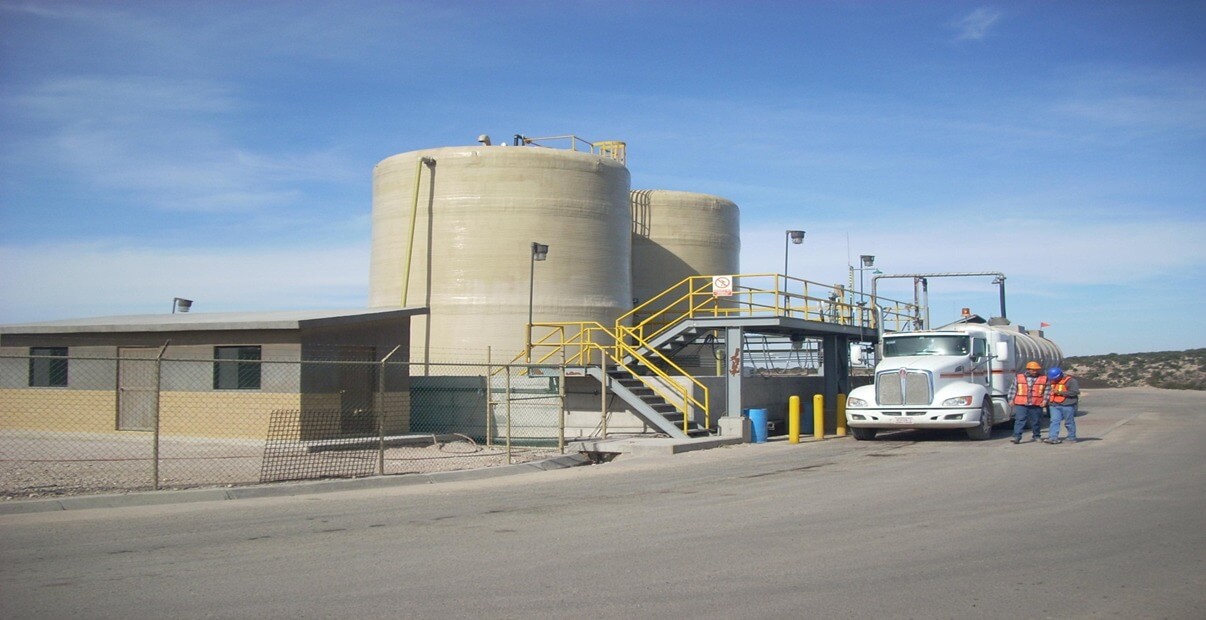
Purchase price is one line in a 25-year budget. Learn how to compare FRP and metals on lifecycle cost, which cost categories to model, and what to specify.
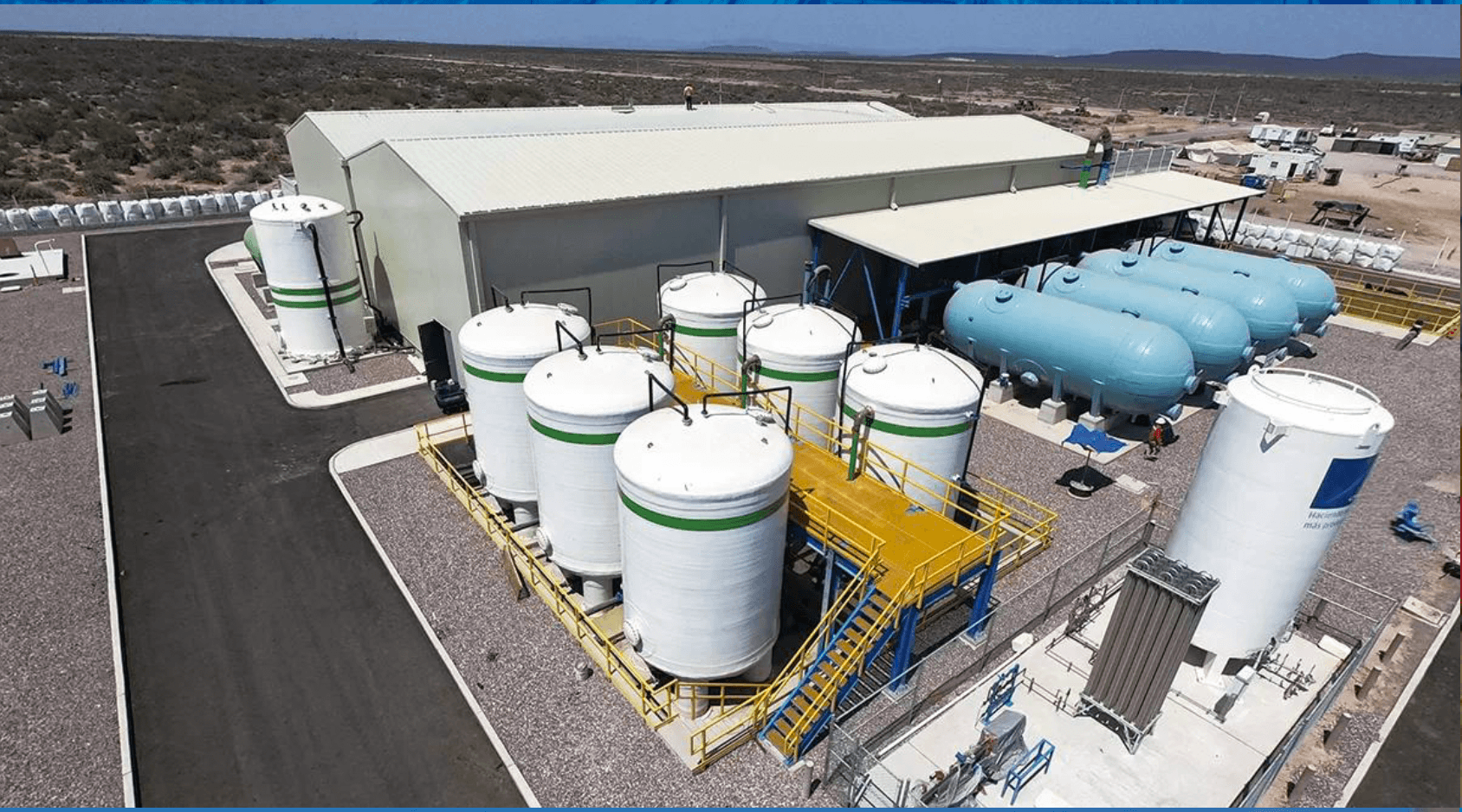
Carbon footprint is not one number per kilogram. Learn how to compare FRP and metal equipment across four life cycle stages and what to put in your specification.
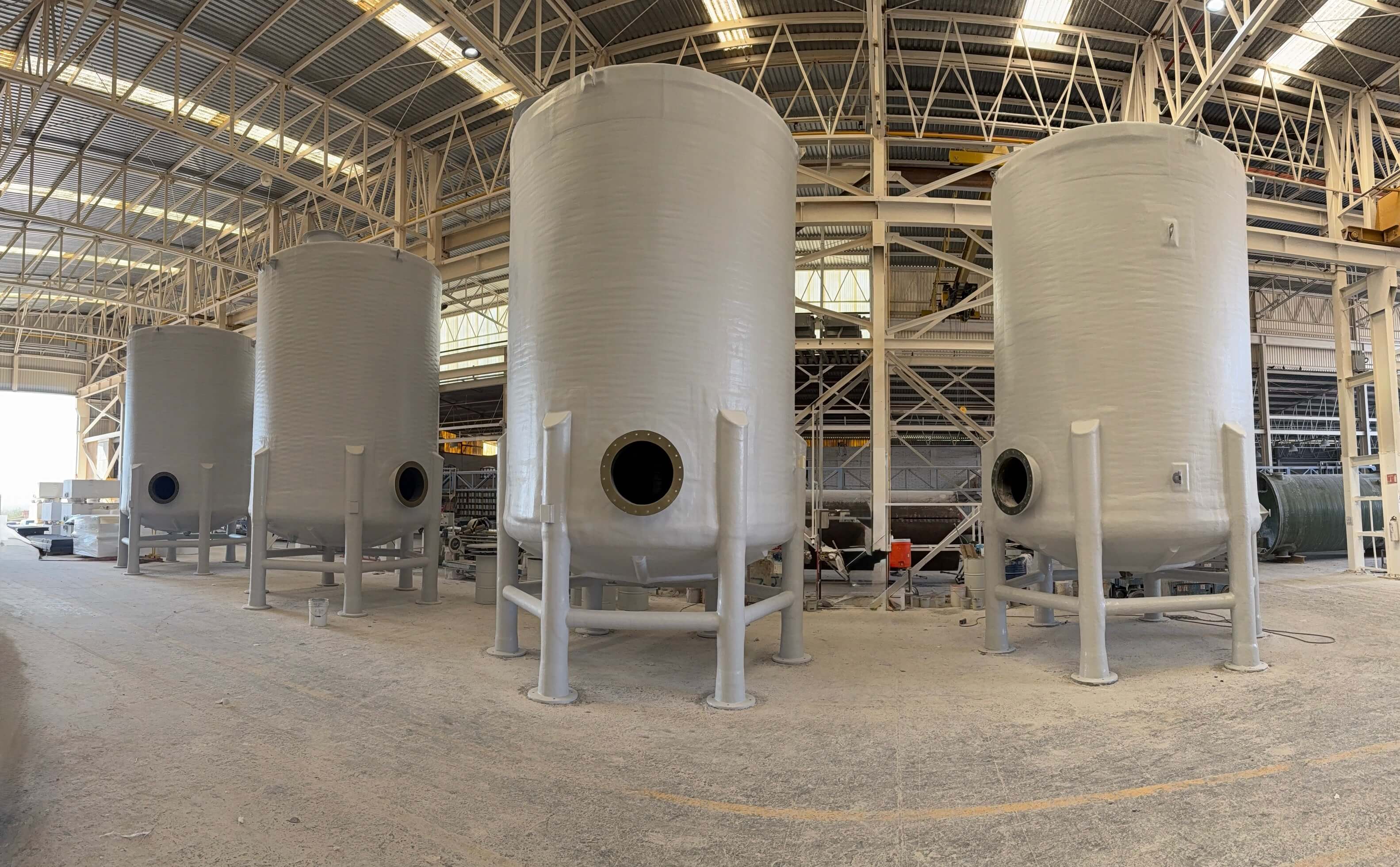
A buyer's guide to specifying FRP tanks for sodium hypochlorite — resin and cure system, synthetic-veil corrosion barrier, UV protection, venting, and the ASTM standards to reference.
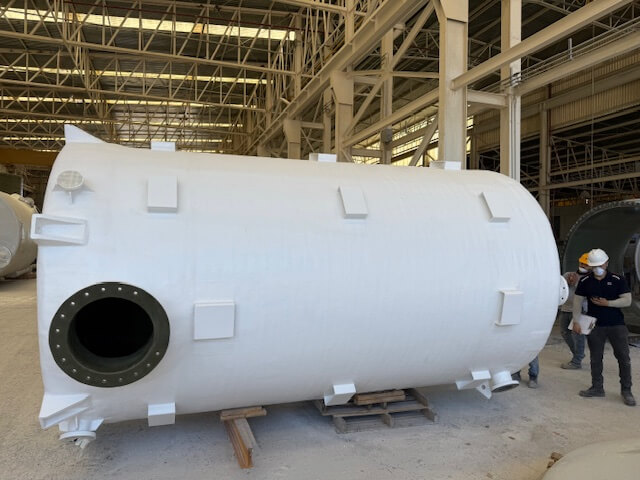
A buyer's guide to inspecting FRP tanks in corrosive service — external and internal checks, Barcol hardness baselines, inspection intervals, and the ASTM standards that define acceptance criteria.
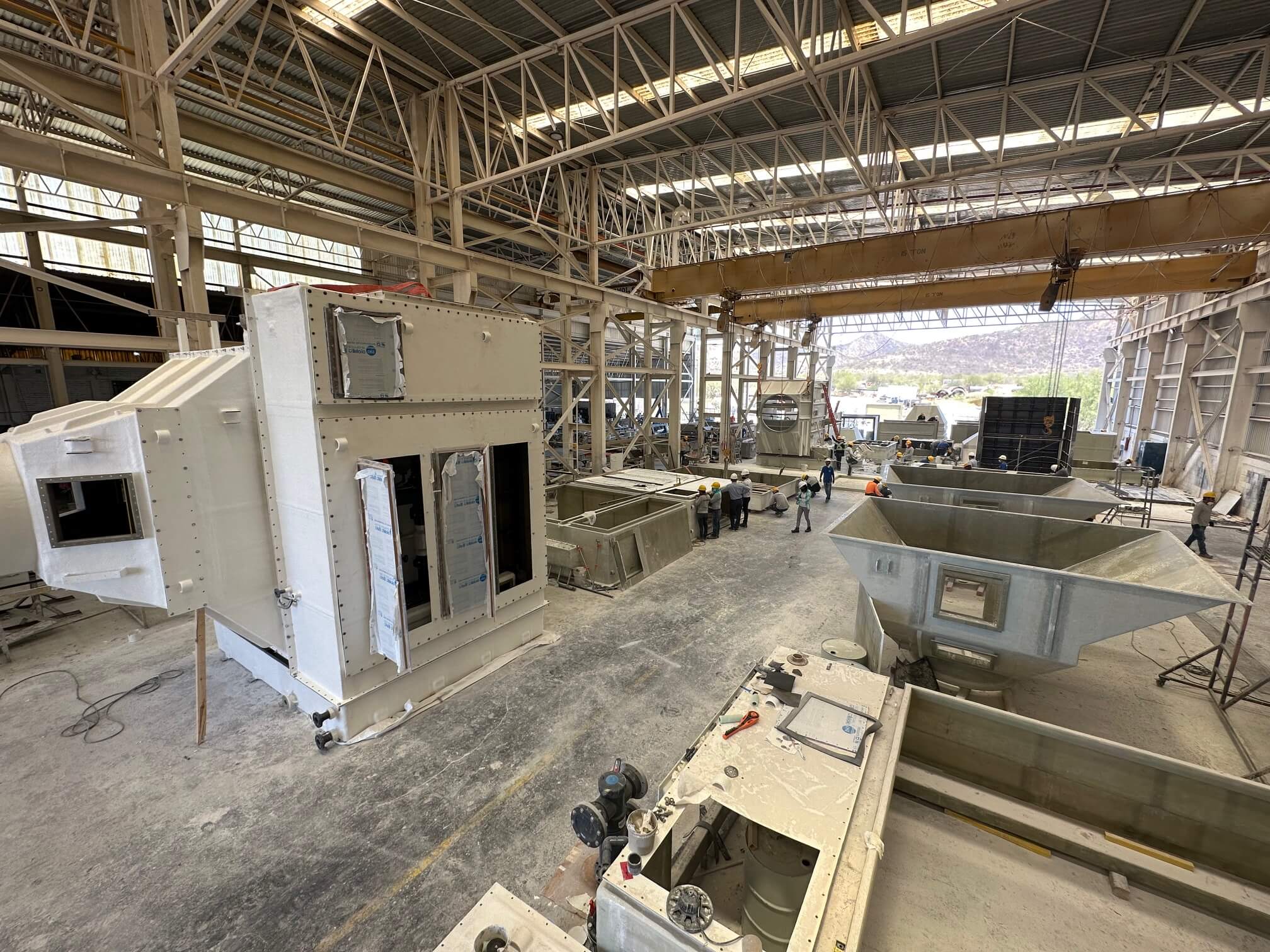
A buyer's guide to choosing the right resin system for FRP tanks and piping — resin families, chemical resistance testing, temperature limits, and what to specify before you order.
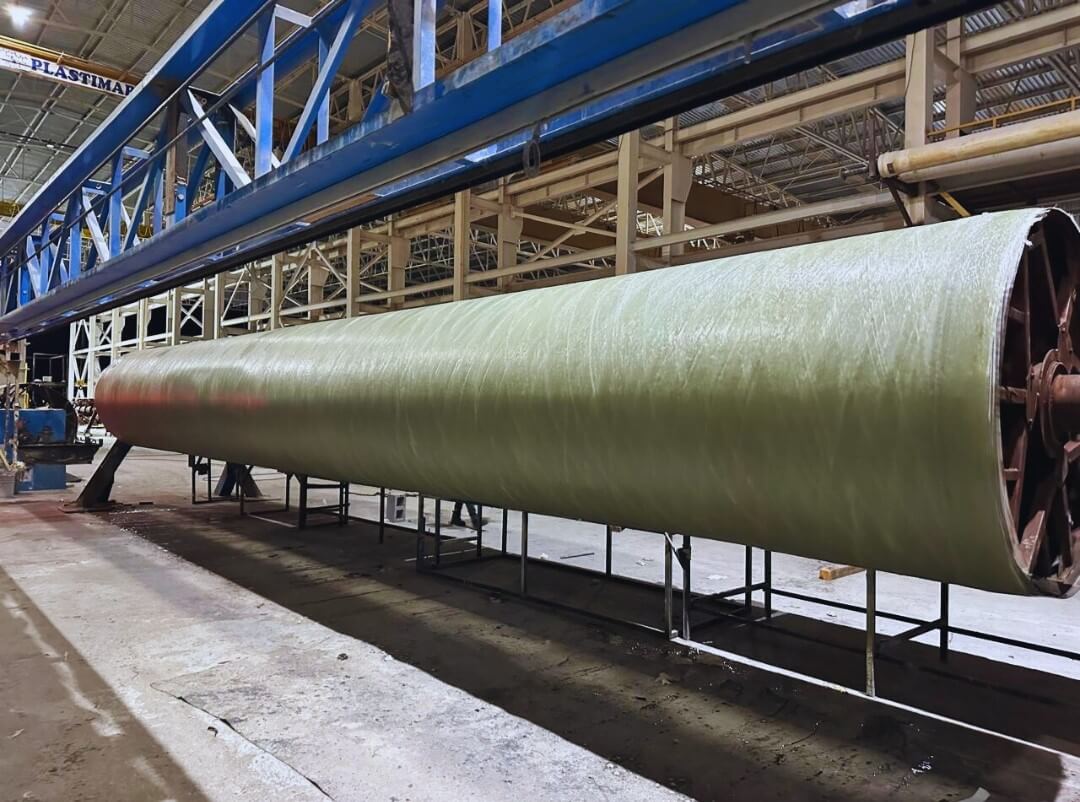
A buyer's guide to how FRP tanks are actually built — filament winding versus contact molding (hand lay-up) — and how each method affects structural performance, cost, and lead time.
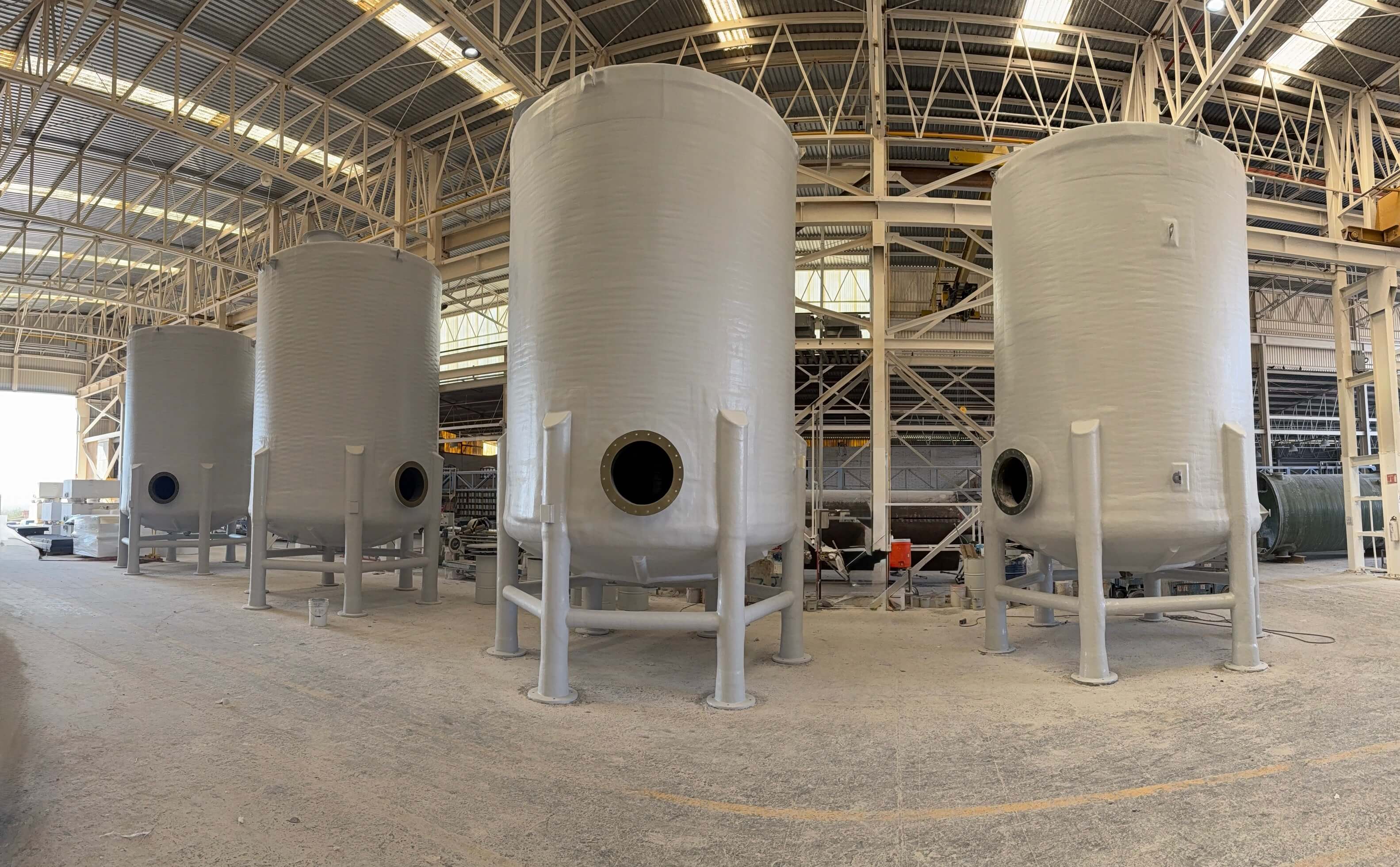
How to select FRP tanks and piping for hydrochloric acid service—resin systems, fluoropolymer liners, temperature limits, permeation, and the ASTM standards to specify.
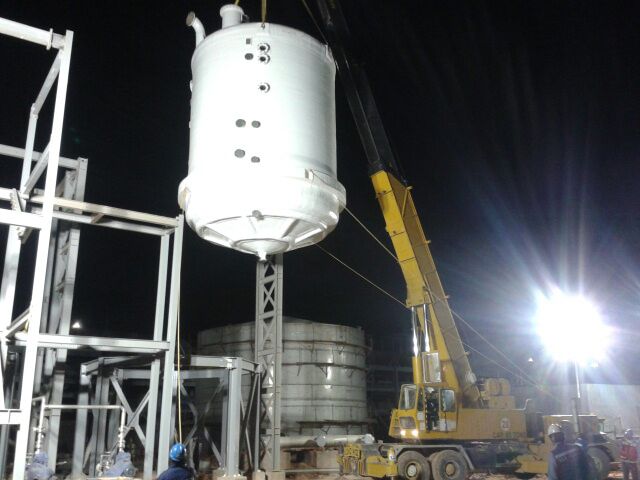
A buyer's guide to specifying FRP tanks and cells for SX-EW mining service — sulfuric acid resistance, temperature limits, abrasion, and the ASTM standards that protect your investment.
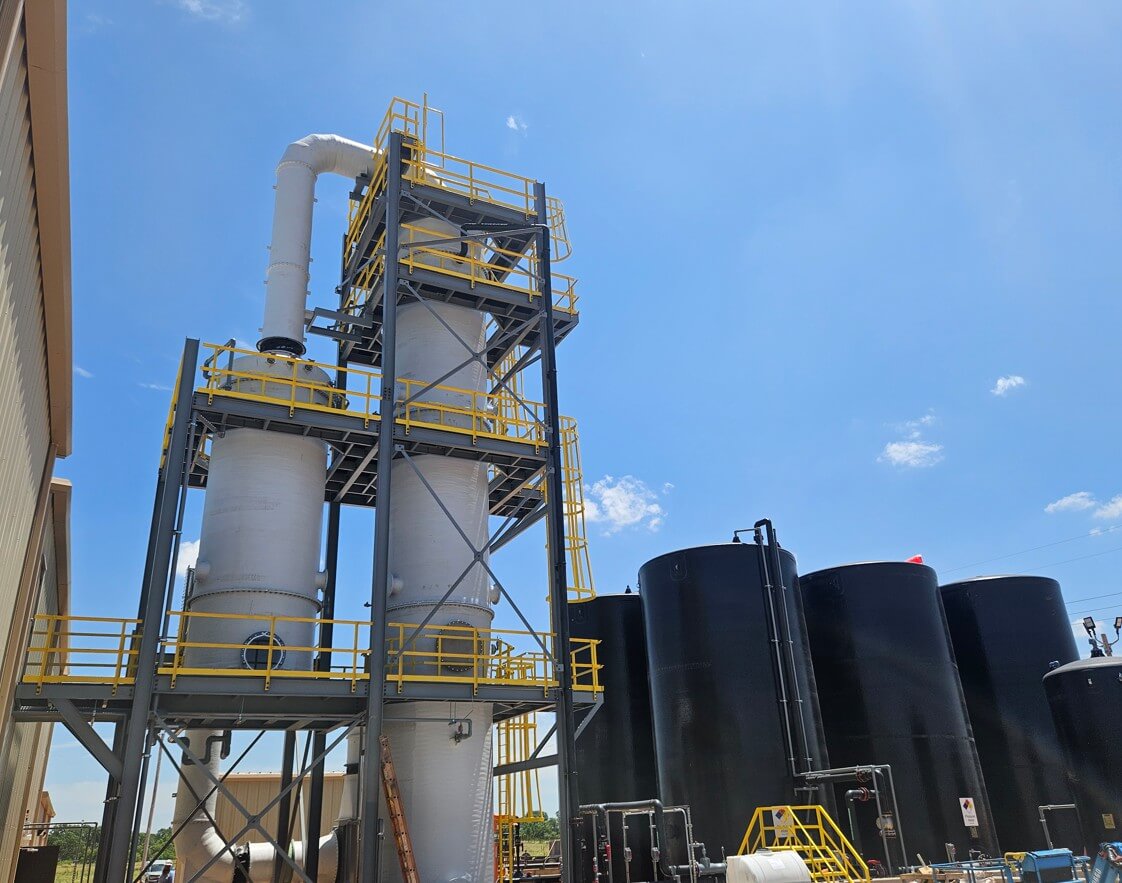
Compare FRP and HDPE for corrosive tanks and piping—temperature limits, chemical resistance, stiffness, and lifecycle value to help you specify the right material.