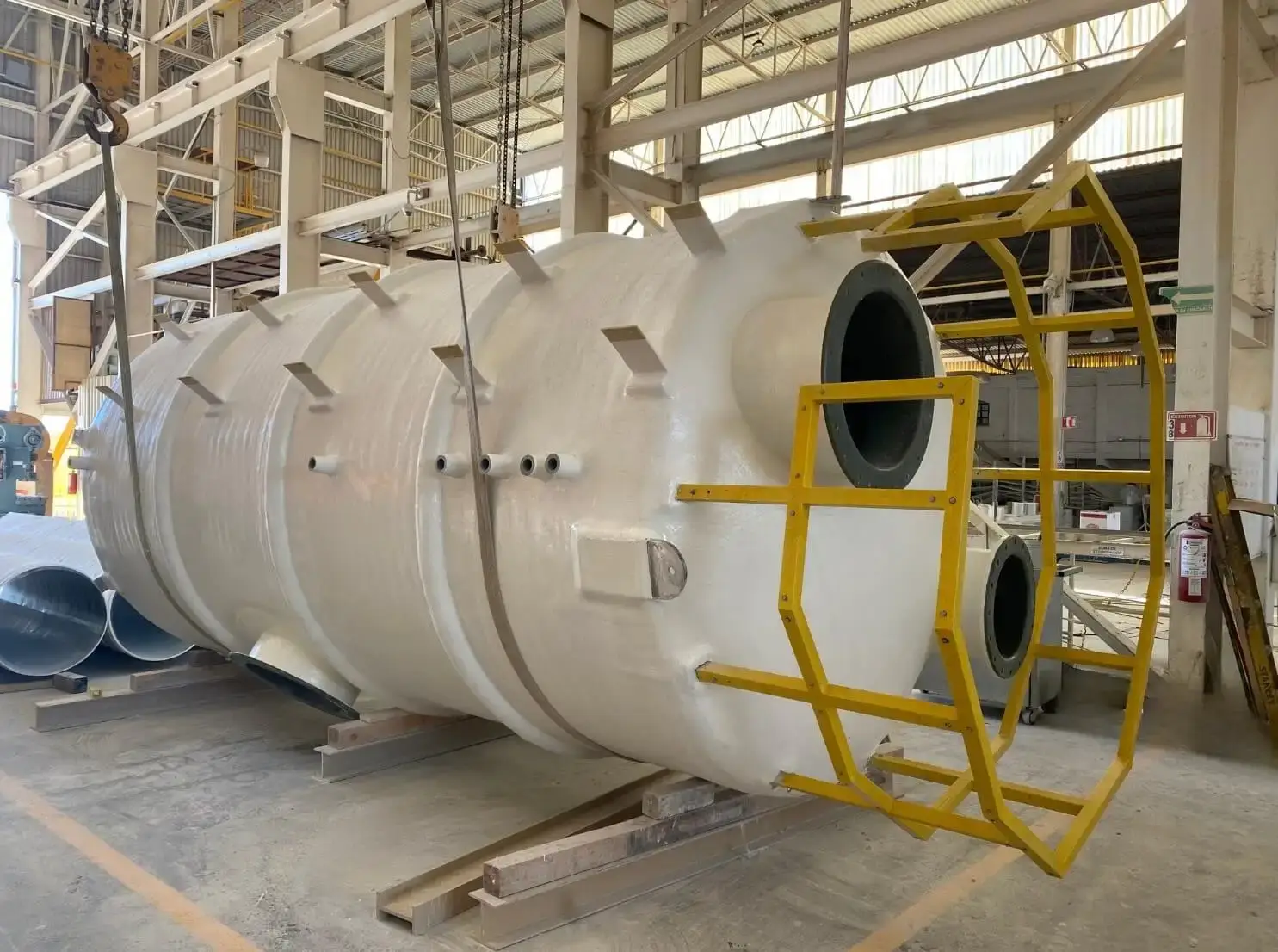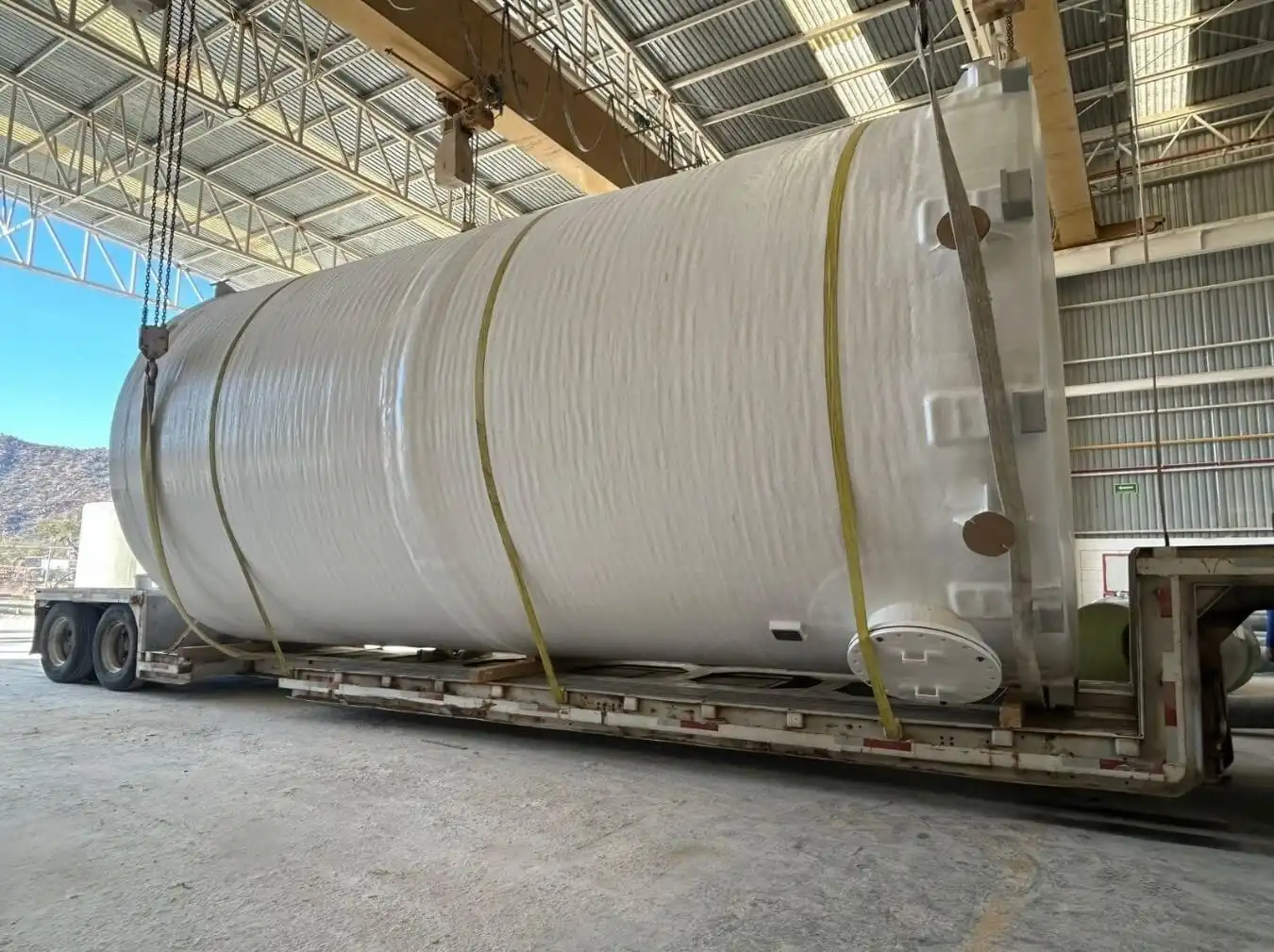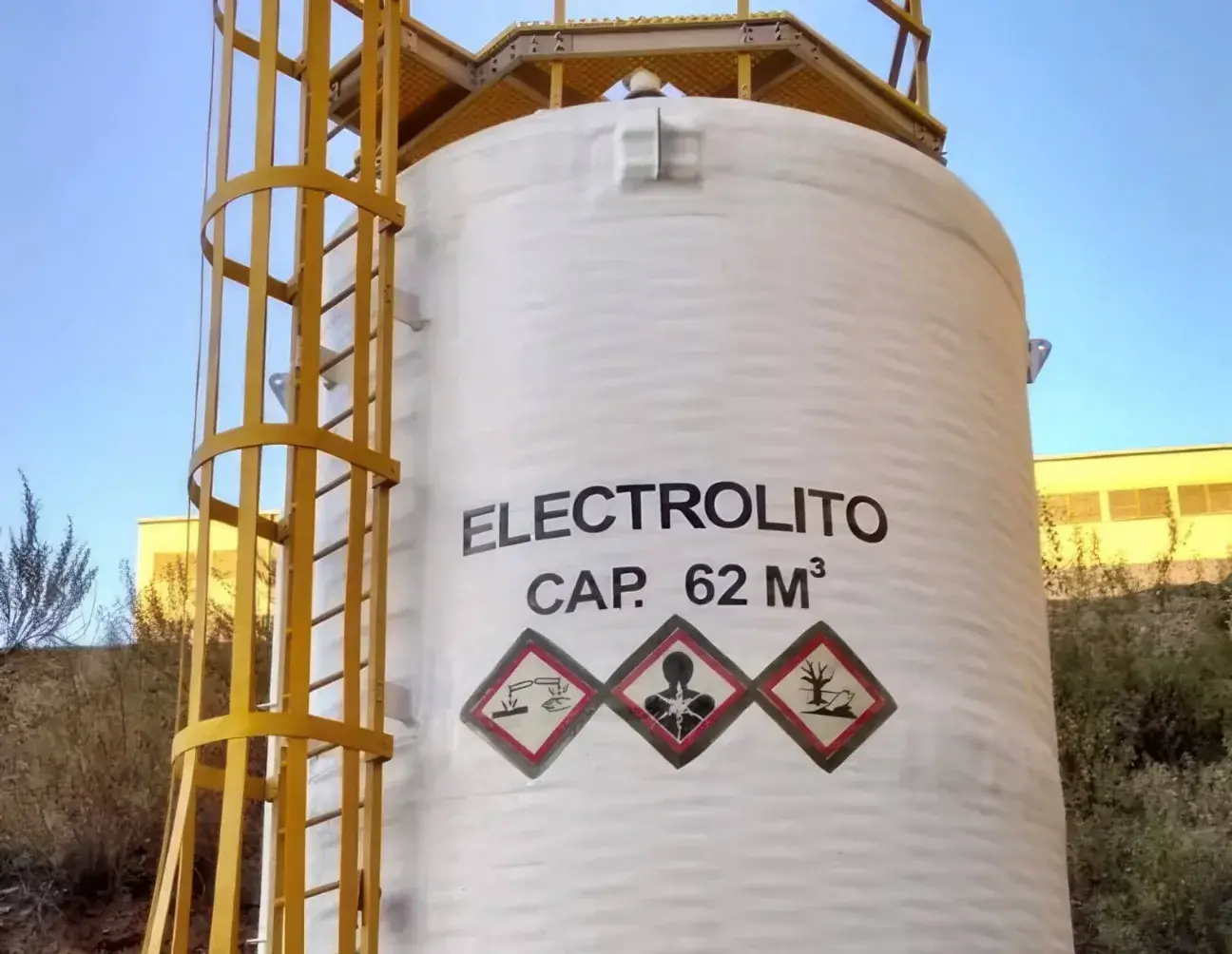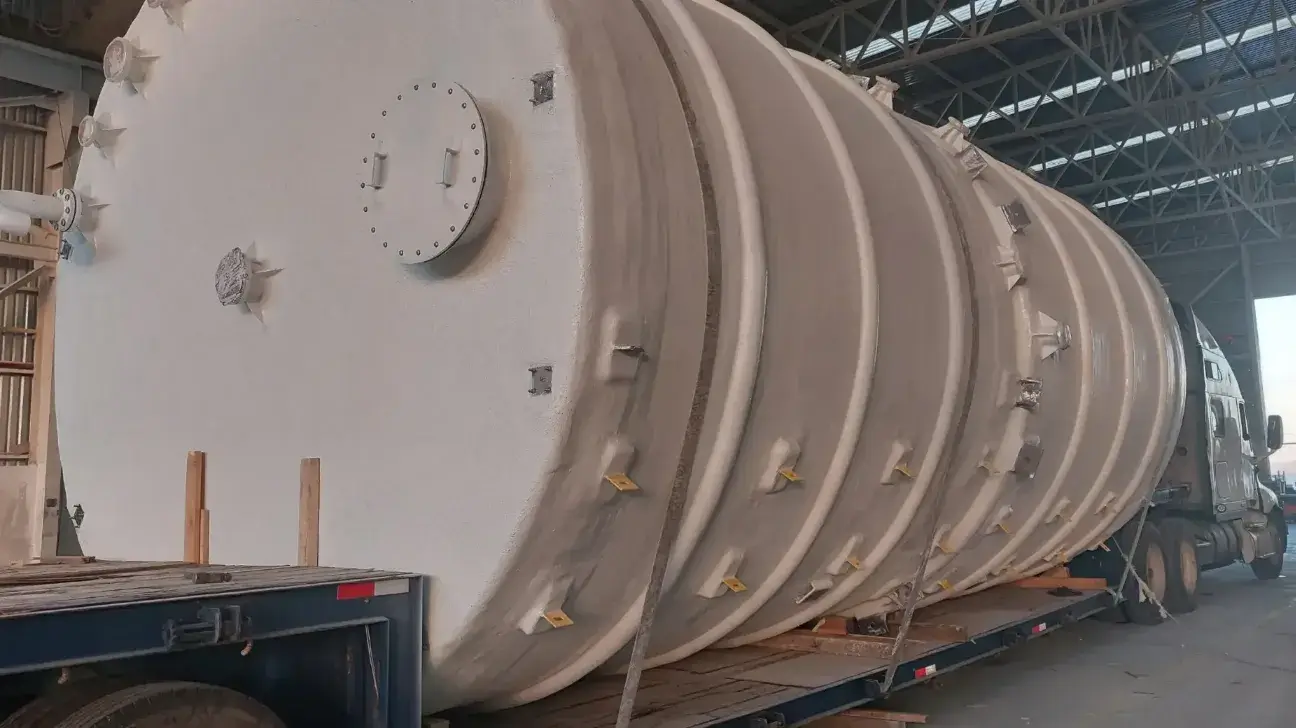

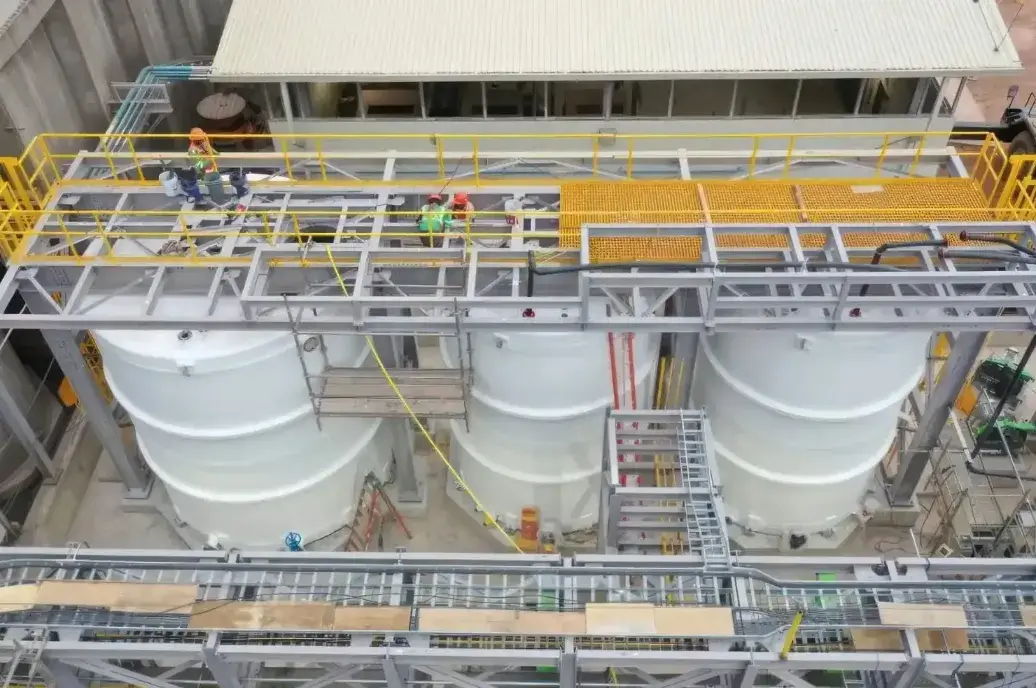
Industrial FRP Tanks Built for Long-Term Reliability
Fiberglass reinforced plastic (FRP) tanks are widely used in industrial applications because they offer superior corrosion resistance compared to steel, especially in chemical processing and water treatment environments.
Arizona FRP Supply manufactures fiberglass reinforced plastic (FRP) tanks for industrial operations that need reliable storage in corrosive, high-moisture, and chemically aggressive environments.
Our FRP tanks are a strong alternative to traditional steel tanks, offering excellent corrosion resistance, lower maintenance requirements, and reduced installation weight without sacrificing performance.
Whether your project involves chemical storage, wastewater treatment, process fluids, or custom containment systems, our tanks are engineered for durability, safety, and long service life.
Why Industrial Buyers Choose FRP Tanks
Designed to reduce corrosion risk, extend service life, and improve total long-term value.
Corrosion Resistance
Ideal for chemical storage and harsh industrial environments where metal tanks may degrade or require frequent replacement.
Lightweight & Easier to Install
FRP construction helps reduce transportation, handling, and installation complexity compared to heavier traditional materials.
Low Maintenance
Long service life and durable materials help lower maintenance costs and reduce unplanned downtime.
Applications
Our FRP tanks are used across industries that require dependable storage and containment systems:
- Chemical storage and process containment
- Water and wastewater treatment facilities
- Industrial fluid storage systems
- Corrosive liquid handling applications
- Manufacturing and processing plants
- Custom fiberglass tank projects
Typical Performance Advantages
- Excellent resistance to corrosion and aggressive chemicals
- High mechanical strength for demanding industrial service
- Low weight for easier transportation and installation
- Customizable dimensions and design configurations
- Reliable long-term performance with reduced maintenance
Materials, Manufacturing & Custom Design
Arizona FRP Supply manufactures tanks using filament winding and fiberglass reinforcement systems designed to provide structural consistency, chemical resistance, and long-term performance in industrial service.
Material options may include vinyl ester resin, continuous filament reinforcement, fiberglass mat layers, and UV protection depending on project requirements and exposure conditions.
We can support custom tank designs based on diameter, height, capacity, operating environment, and application-specific performance needs for industrial projects across North America.
Need a tank built for your process?
If you need corrosion-resistant storage with long-term durability, Arizona FRP Supply can help you evaluate the right FRP tank configuration for your operation.
Related FRP Solutions
Build a complete corrosion-resistant system with related fiberglass products.
Frequently Asked Questions About FRP Tanks
Technical answers to common questions about fiberglass reinforced plastic tanks.
FRP Tank Standards, Resins & Fabrication Methods
How industry standards shape the design and quality of a chemical storage tank.
Fabrication Method and ASTM Standard
Atmospheric FRP chemical storage tanks are specified against ASTM standards that depend on how the tank is built. ASTM D3299 covers filament-wound tanks, and ASTM D4097 covers contact-molded (hand lay-up) tanks.
Arizona FRP Supply manufactures tanks using filament winding, in which continuous glass fiber is placed under controlled tension to build a consistent laminate with high hoop strength.
Resin System and Quality Verification
The resin system sets chemical resistance and temperature limits. Vinyl ester resins are typically specified for aggressive chemical service, while isophthalic polyester suits less aggressive or dilute applications.
Resin selection should be validated against chemical resistance data (ASTM C581), and cure is verified with Barcol hardness testing (ASTM D2583) before a tank enters service.
Learn more: How to read an FRP tank specification, filament winding vs. contact molding and our standards and certifications.
Specify Your FRP Tank With Confidence
What to prepare for an accurate quote, and the technical guides our team has published.
What to Include in Your Quote Request
- Chemical name (and CAS number), plus minimum, maximum and operating concentration
- Normal operating temperature and maximum excursion temperature
- Specific gravity of the stored fluid and whether service is atmospheric or pressurized
- Tank diameter, height or length, design capacity and maximum fill height
- Nozzle locations, sizes and flange ratings, and manway size and location
- Support configuration: flat bottom, legs, saddles or lugs
- Wind and seismic design loads for the installation site
- Applicable standard (ASTM D3299 or D4097) and the documentation and testing you require
Technical Guides
-
How to Read an FRP Tank Specification: A Buyer's Guide
Service conditions, ASTM standards, resin system, fabrication method and testing requirements. -
Filament Winding vs. Contact Molding for FRP Tanks
How ASTM D3299 and ASTM D4097 differ and what to specify when comparing quotes. -
How to Select the Right FRP Resin System
Isophthalic polyester, vinyl ester and novolac compared for tanks and pipes. -
FRP Tanks for Sulfuric Acid Storage
Design considerations and ASTM standards for sulfuric acid service. -
FRP vs Stainless Steel Tanks for Chemical Storage
Choosing the best tank material for corrosive chemical storage. -
FRP Tank Inspection and Preventive Maintenance Checklist
External and internal checks, Barcol hardness baselines and inspection intervals.
Product Gallery