
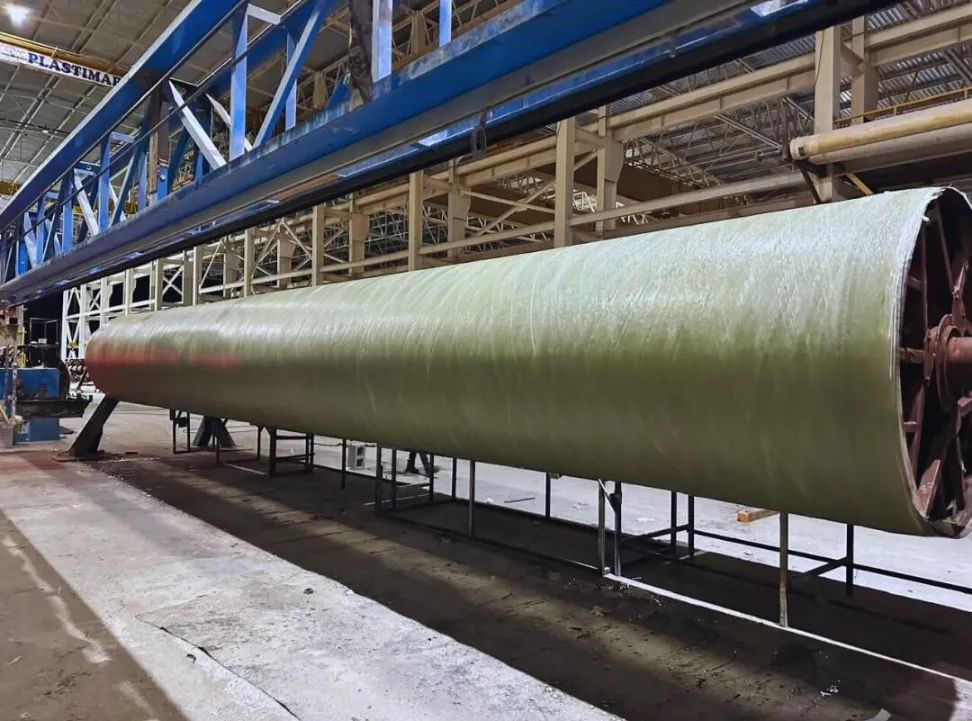
Industrial FRP Pipe Systems
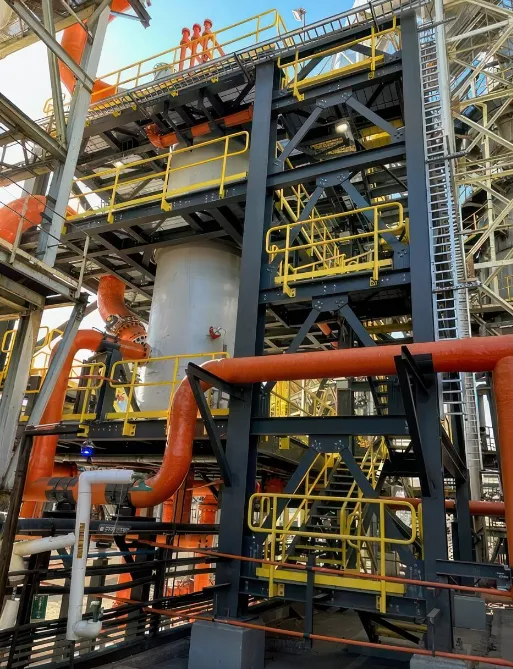
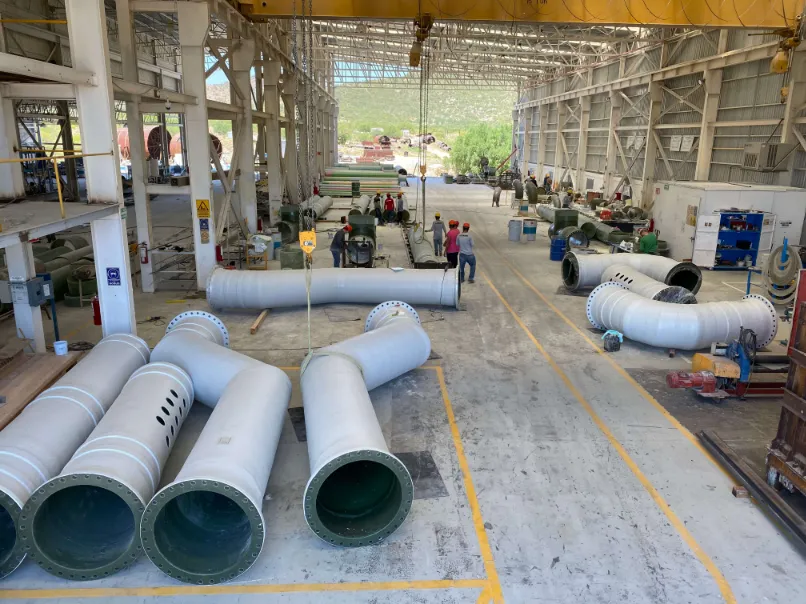
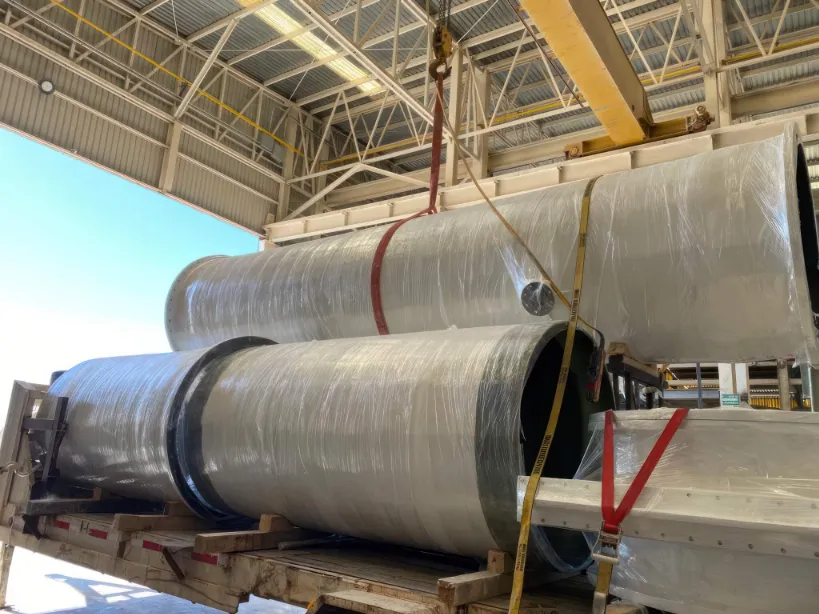
Arizona FRP Supply manufactures fiberglass reinforced plastic (FRP) pipes designed for industrial fluid transport systems that require high corrosion resistance, structural integrity, and long service life.
Our FRP piping solutions outperform traditional materials such as steel and PVC in aggressive environments including chemical processing, water treatment, mining, and marine applications.
With advanced manufacturing processes, our pipes deliver consistent performance under pressure, temperature variations, and chemical exposure.
Key Benefits of FRP Pipes
Designed to provide durability, efficiency, and long-term performance in industrial applications.
Corrosion Resistance
Ideal for aggressive chemicals, moisture, and harsh industrial environments.
High Strength
Engineered to withstand pressure, mechanical stress, and demanding operating conditions.
Low Maintenance
Long lifespan and reduced maintenance compared to traditional piping materials.
Applications
- Chemical processing plants
- Water and wastewater treatment systems
- Oil & gas facilities
- Mining operations
- Industrial fluid transport systems
- Marine and coastal infrastructure
Advanced Manufacturing
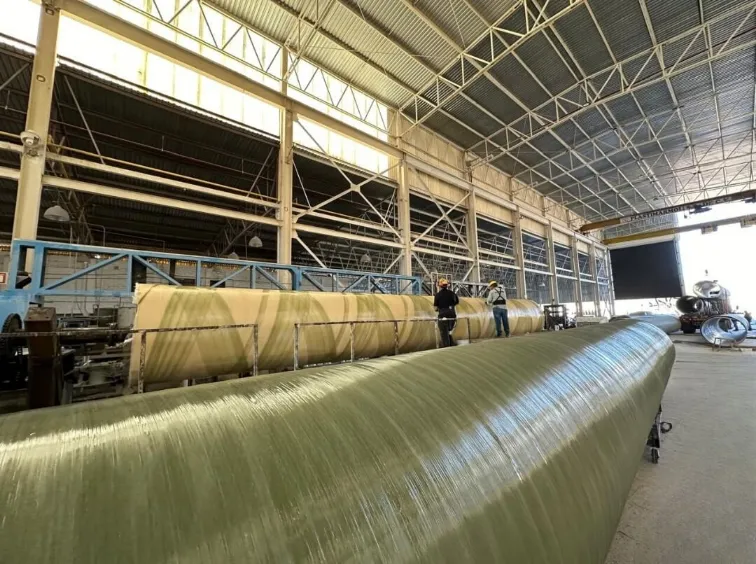
Our FRP pipes are manufactured using filament winding processes that ensure consistent strength, durability, and performance across all operating conditions.
We offer custom configurations based on diameter, pressure rating, and chemical compatibility to meet specific project requirements.
FRP Piping Standards, Joints & Supports
What governs the performance of an FRP piping system in corrosive service.
Pressure Rating and Applicable Standards
Pressure ratings for FRP pipe come from test results, not from wall thickness alone. ASTM D2992 defines the hydrostatic design basis behind long-term pressure ratings, ASTM D2996 covers filament-wound fiberglass pipe, and the chemical resistance of the resin is evaluated per ASTM C581.
Arizona FRP Supply manufactures FRP pipe using filament winding.
Joints, Supports and Thermal Movement
Most FRP piping problems appear at joints, supports and thermal movement rather than in the pipe body. Define the joining method, support spacing and operating temperature range when you request a quote so the system is designed as a whole, not as a list of components.
Learn more: FRP piping for corrosive chemical service, FRP vs HDPE piping and fluoropolymer-lined FRP.
Specify Your FRP Pipe With Confidence
What to prepare for an accurate quote, and the technical guides our team has published.
What to Include in Your Quote Request
- Chemical, concentration range and pH, plus any trace oxidizers or solvents
- Normal, maximum and upset operating temperature
- Design pressure, and whether the line is pressure or gravity service
- Full vacuum condition, if the line can be drained or steam-cleaned
- Line sizes, lengths, fittings list and a general arrangement or isometric
- Required joining method, or a request that we recommend one
- Installation environment: buried or above ground, UV exposure, ambient temperature range
- Required documentation and applicable standards
Technical Guides
-
FRP Piping for Corrosive Chemical Service: A Buyer's Guide
Pressure rating, corrosion barrier, joints, supports and applicable ASTM standards. -
FRP vs HDPE: Corrosion-Resistant Tanks & Piping
Temperature limits, chemical resistance, stiffness and lifecycle cost compared. -
FRP Tanks and Pipes with Fluoropolymer Liner
PVDF, ECTFE, FEP and PFA liners for high-temperature corrosive service. -
How to Select the Right FRP Resin System
Isophthalic polyester, vinyl ester and novolac compared for tanks and pipes.
Product Gallery