

Featured Article
Start with one of our most relevant FRP resources.
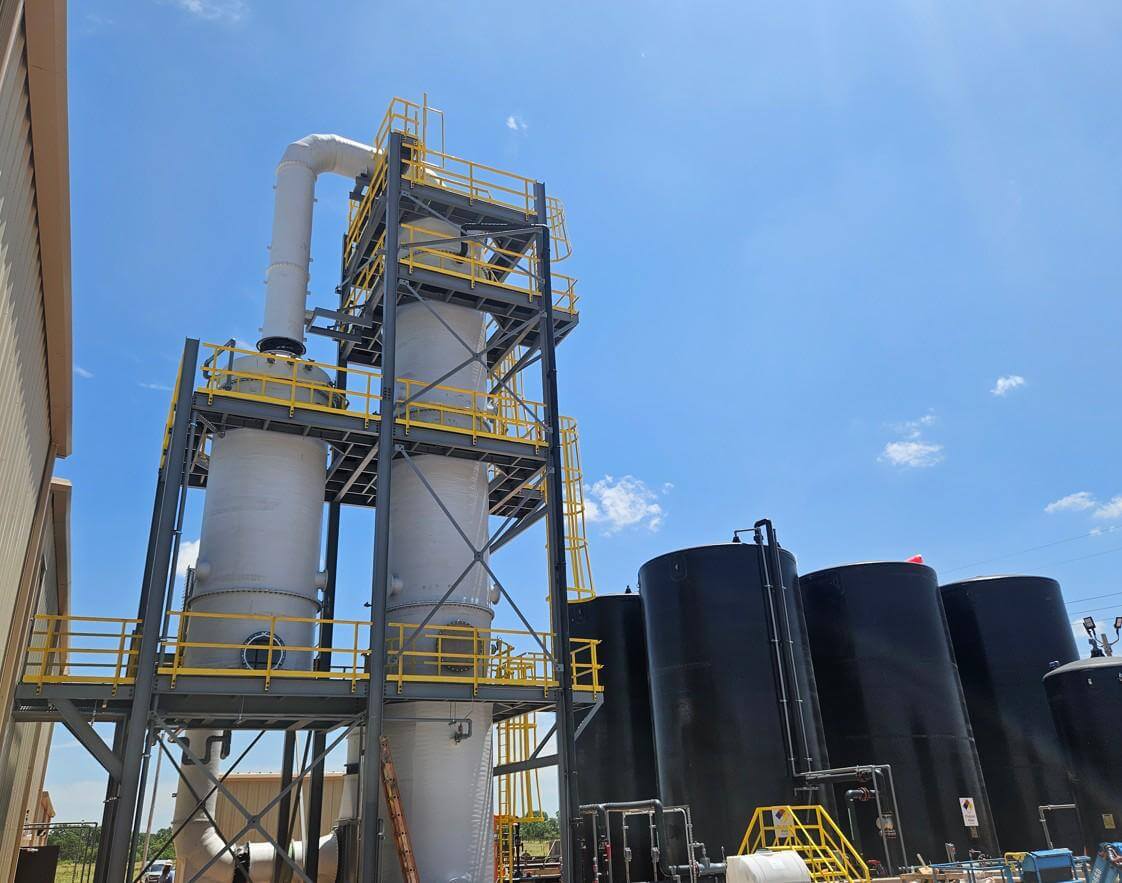
A buyer's guide to specifying FRP scrubbers and ductwork for acid fume control — condensate chemistry, resin and liner selection, the vacuum design case, and the ASTM standards to reference.
Latest FRP Articles
Industrial guidance focused on corrosion resistance, fiberglass products, engineering applications, and better purchasing decisions.
A buyer's guide to specifying FRP scrubbers and ductwork for acid fume control — condensate chemistry, resin and liner selection, the vacuum design case, and the ASTM standards to reference.
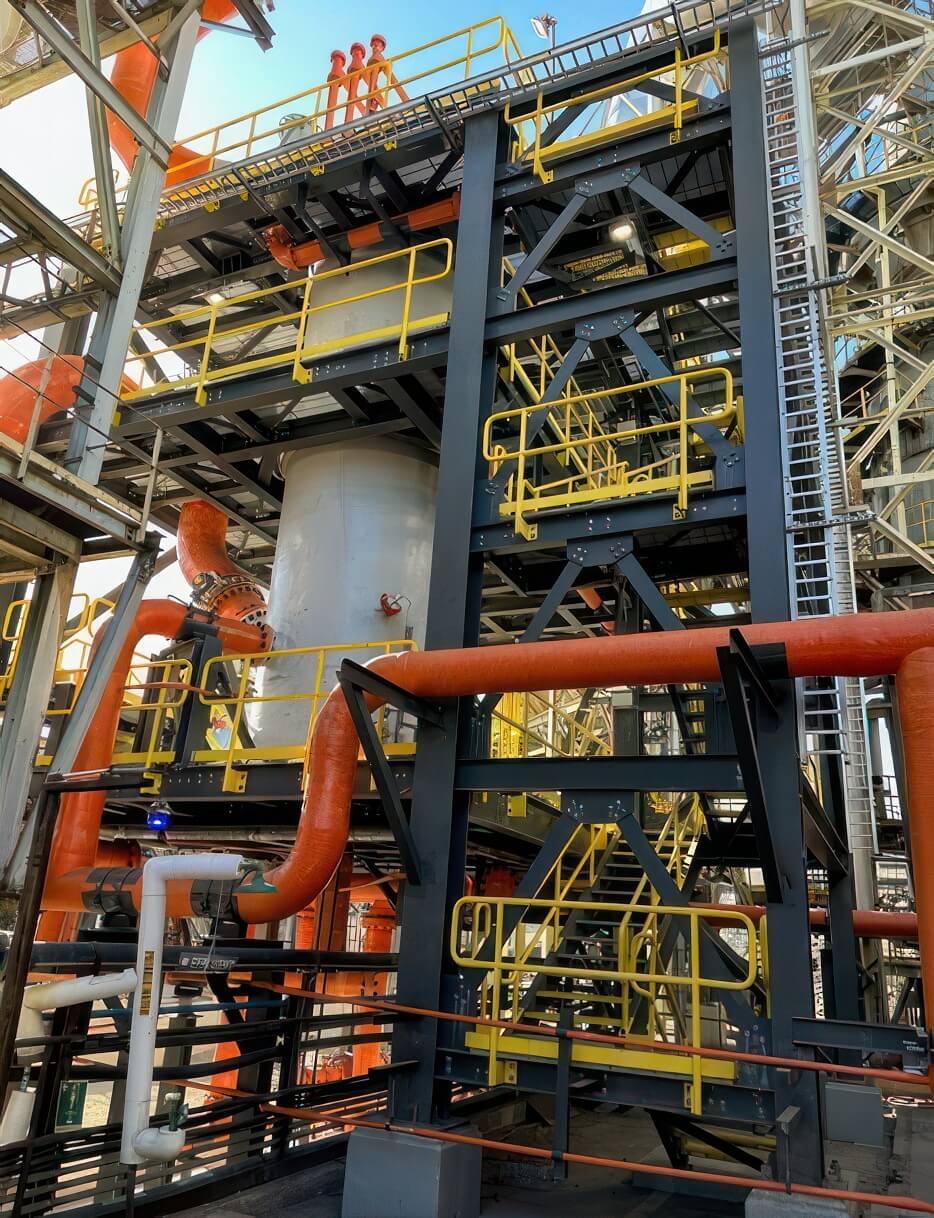
A buyer's guide to specifying FRP piping for corrosive chemical service — how pressure ratings are actually derived, corrosion barrier and resin selection, joining methods, thermal movement, and the ASTM standards to reference.
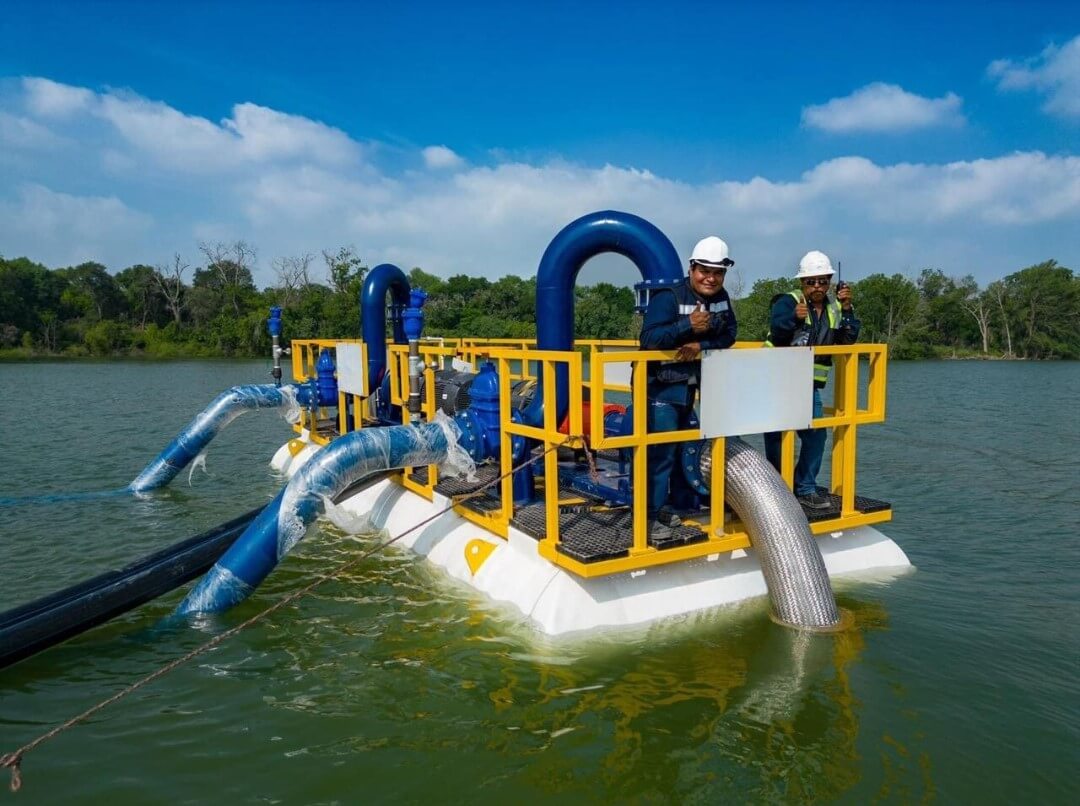
A buyer's guide to specifying FRP platforms, walkways, and structural profiles for coastal and marine service — chloride attack, resin selection, hardware, and the ASTM standards to reference.

A buyer's guide to inspecting FRP tanks in corrosive service — external and internal checks, Barcol hardness baselines, inspection intervals, and the ASTM standards that define acceptance criteria.
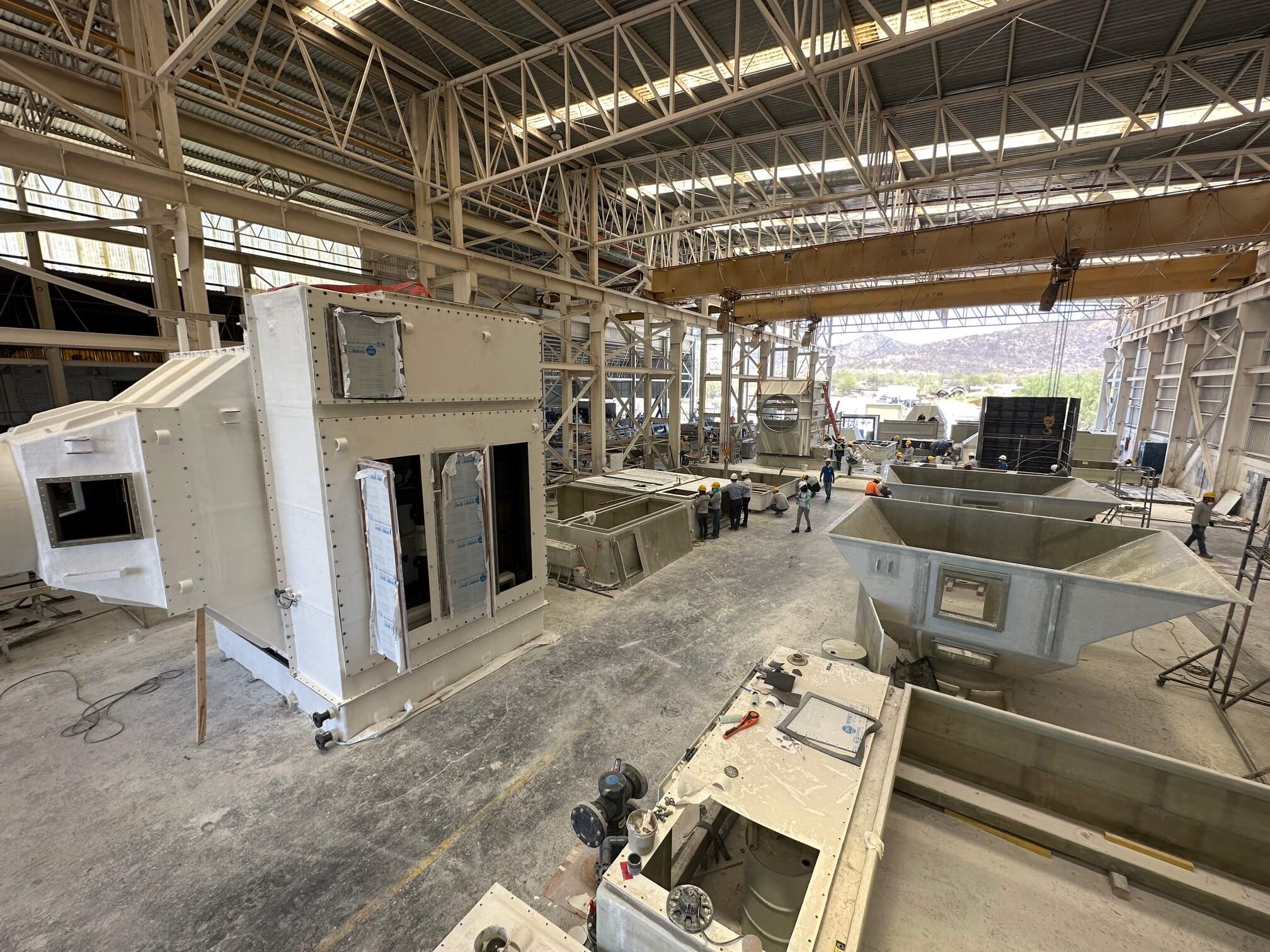
A buyer's guide to choosing the right resin system for FRP tanks and piping — resin families, chemical resistance testing, temperature limits, and what to specify before you order.
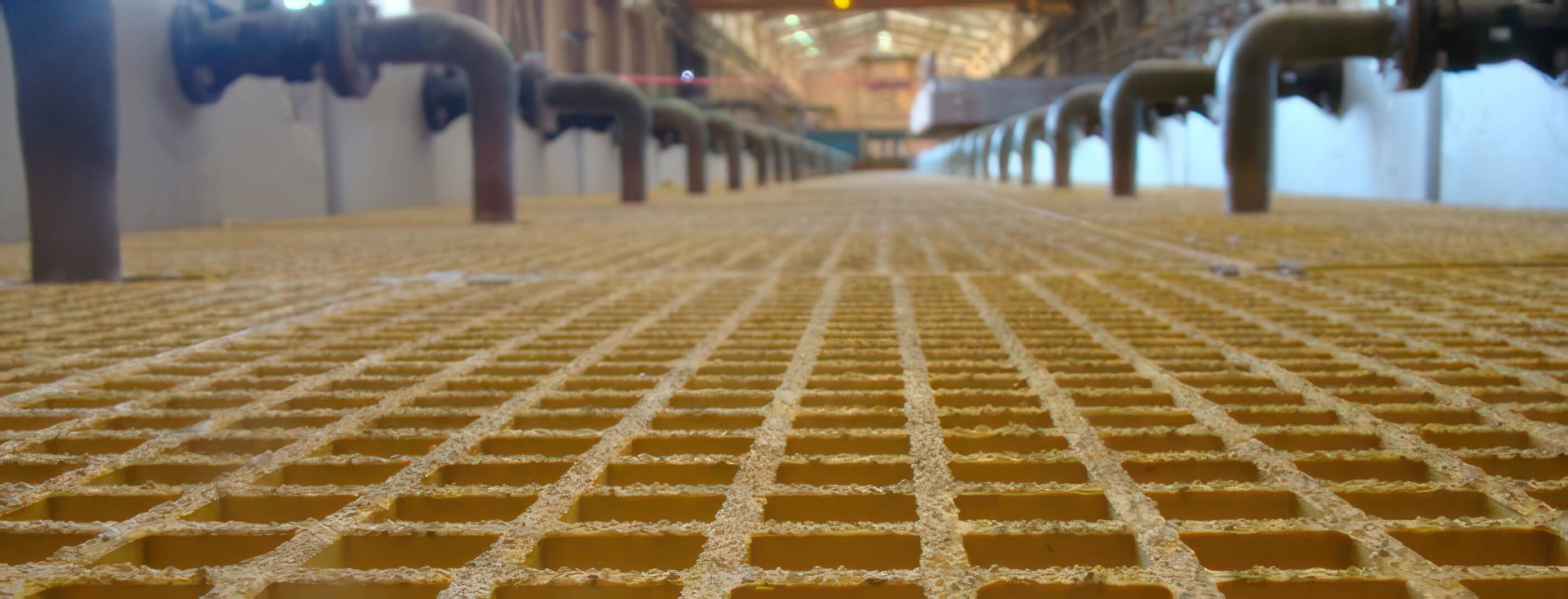
A buyer's comparison of FRP and galvanized steel gratings for corrosive plant environments — corrosion behavior, weight, maintenance, and what to specify before you order.
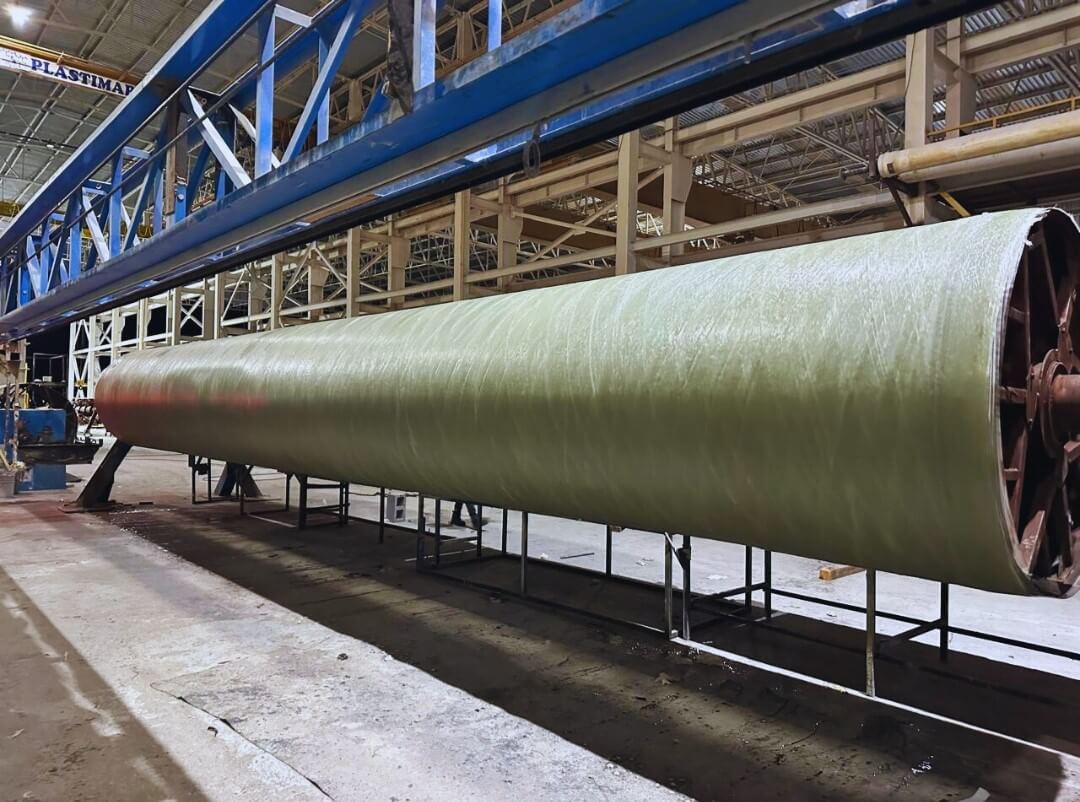
A buyer's guide to how FRP tanks are actually built — filament winding versus contact molding (hand lay-up) — and how each method affects structural performance, cost, and lead time.
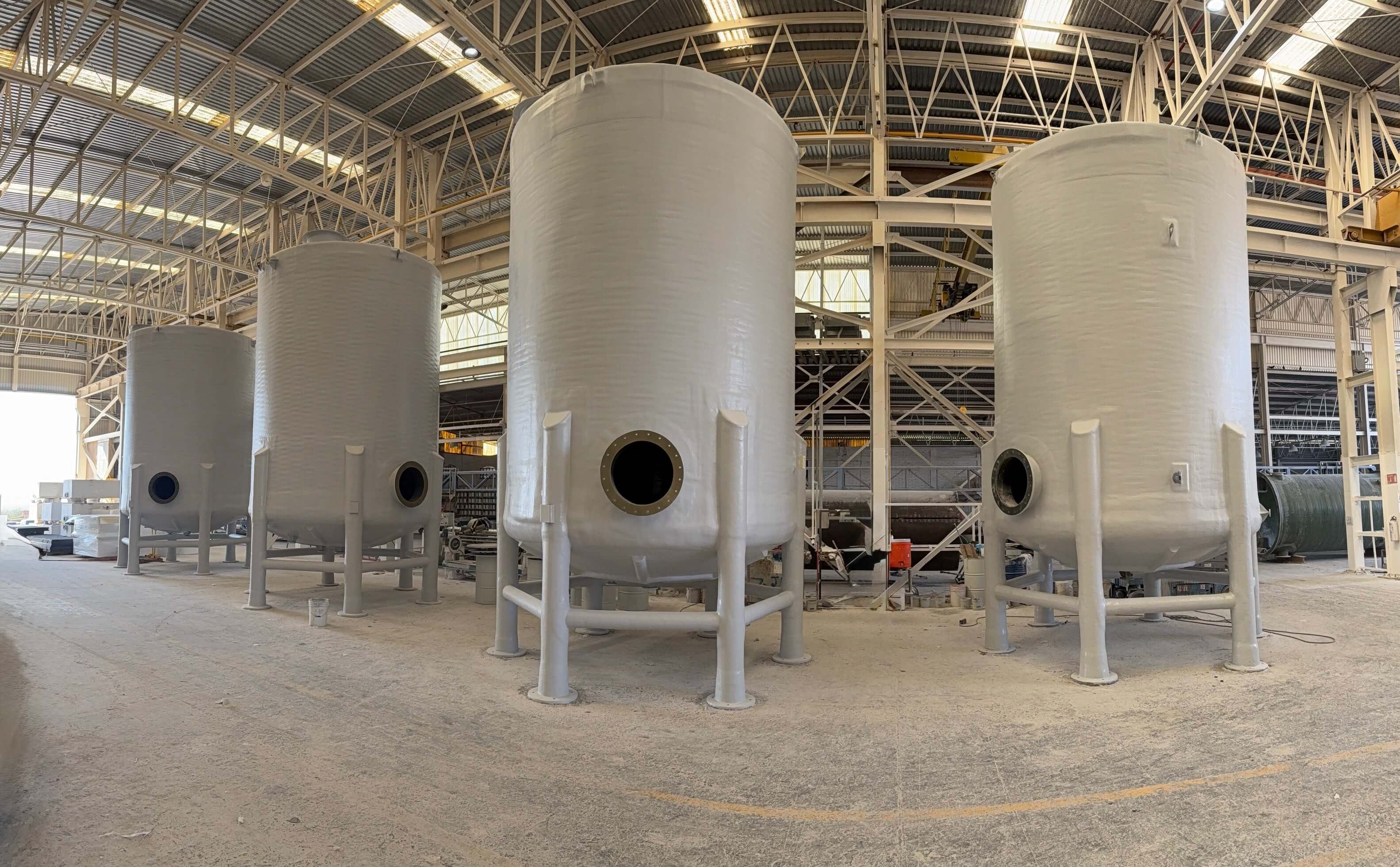
How to select FRP tanks and piping for hydrochloric acid service—resin systems, fluoropolymer liners, temperature limits, permeation, and the ASTM standards to specify.
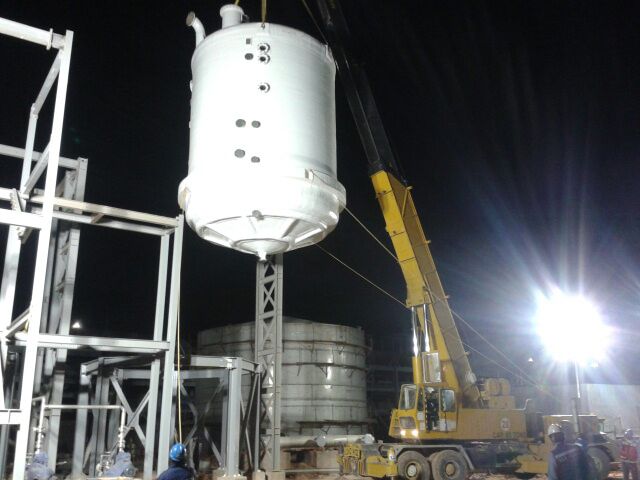
A buyer's guide to specifying FRP tanks and cells for SX-EW mining service — sulfuric acid resistance, temperature limits, abrasion, and the ASTM standards that protect your investment.