
What Is Polymer Concrete?
Polymer concrete, also known as resin concrete, is made of mineral aggregate bound with a thermoset resin instead of portland cement. The result is a dense, acid-resistant material with high compressive strength.
It is well suited to areas where conventional concrete breaks down under acid, such as electrowinning tank houses and chemical process floors.
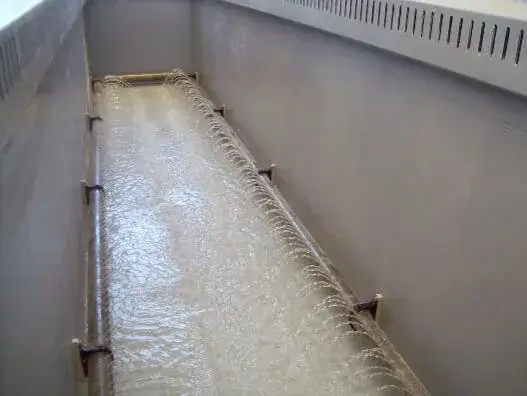
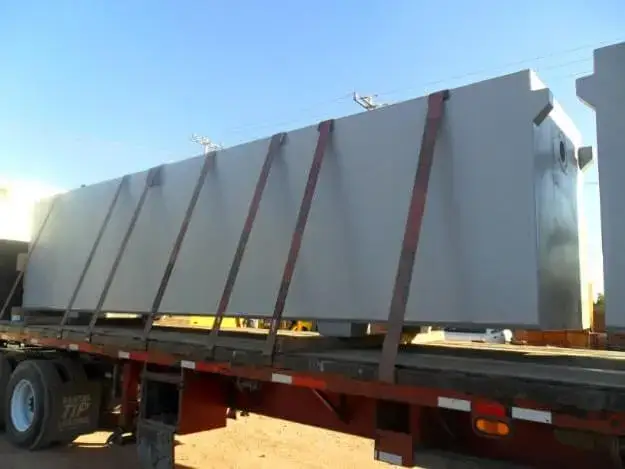
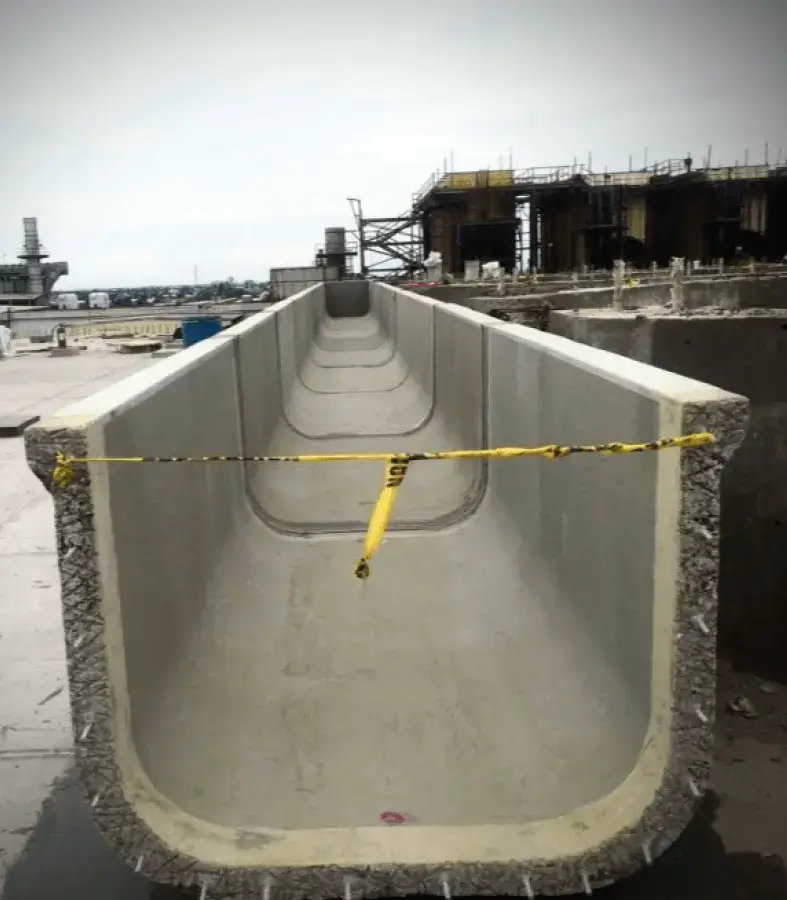
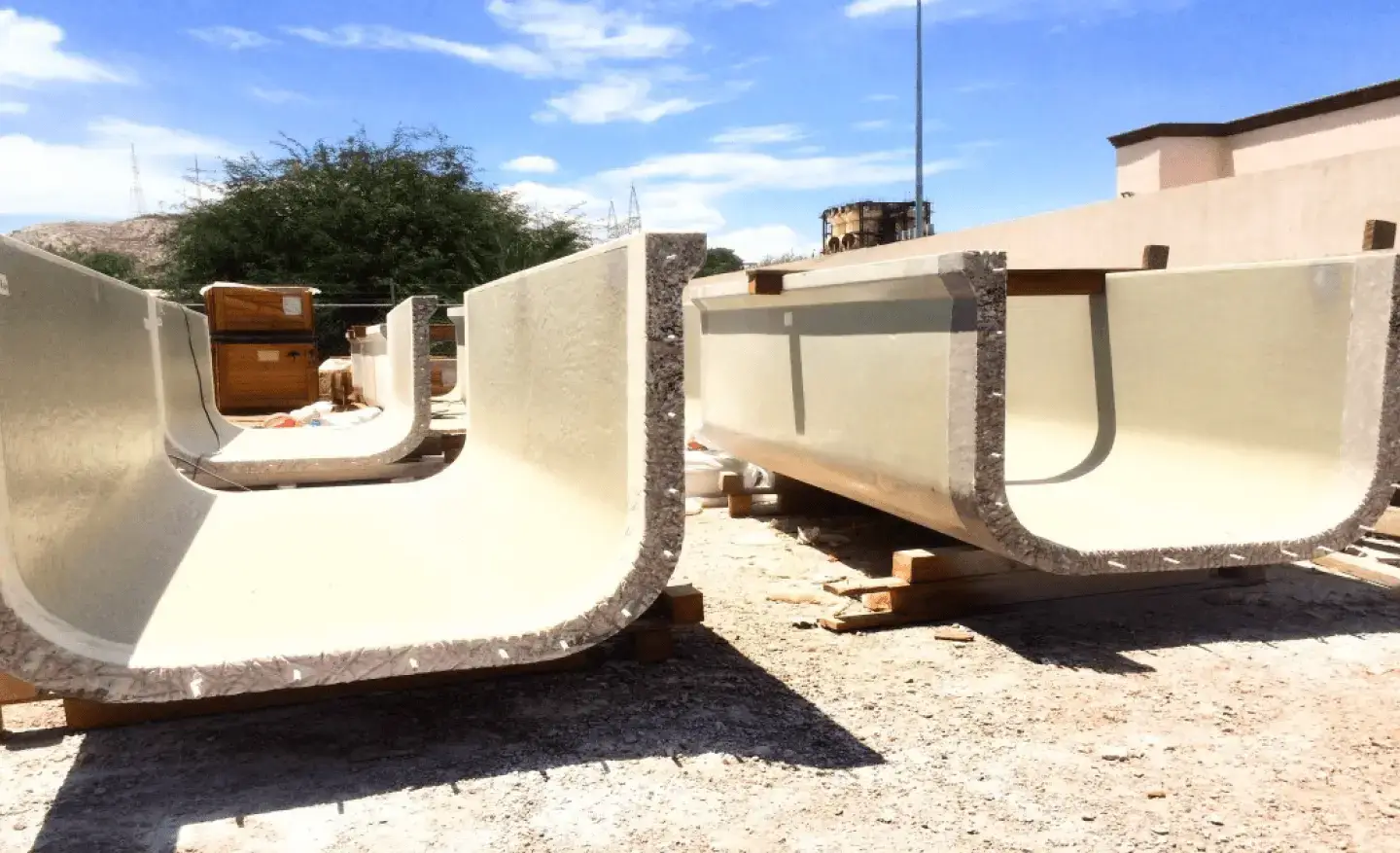
We cast polymer concrete electrolytic cells, trenches and channels to order.
Key Benefits of Polymer Concrete
Acid Resistance
Withstands sulfuric acid electrolyte and other corrosive solutions.
High Strength
High compressive strength and good dimensional stability.
Low Permeability
A dense, non-porous material that resists penetration by liquids.
Non-Conductive
Suitable for electrolytic processes.
Long Service Life
Less repair and downtime than lined conventional concrete.
Products
- Electrolytic cells for copper electrowinning (EW) and electrorefining (ER), cast to the cell dimensions and layout of your tank house.
- Trenches and channels for acid drainage and spill containment, which can be paired with our FRP grating as covers.
Applications
- Copper electrowinning and electrorefining tank houses
- Acid drainage in process plants
- Spill containment in chemical and mining facilities
Specify Your Polymer Concrete With Confidence
What to prepare for an accurate quote, and the technical guides our team has published.
What to Include in Your Quote Request
- Cell dimensions and quantities, or the tank house layout
- Electrolyte composition and operating temperature
- Trench or channel profile, lengths and slope
- Load requirements (foot traffic, vehicles)
- Installation details and shipping destination
Technical Guides
-
How to Select the Right FRP Resin System
Isophthalic polyester, vinyl ester and novolac compared for tanks and pipes.
Product Gallery