

FRP Carbon Footprint: A Life Cycle View for Tank Buyers
Carbon footprint is not one number per kilogram. Learn how to compare FRP and metal equipment across four life cycle stages and what to put in your specification.
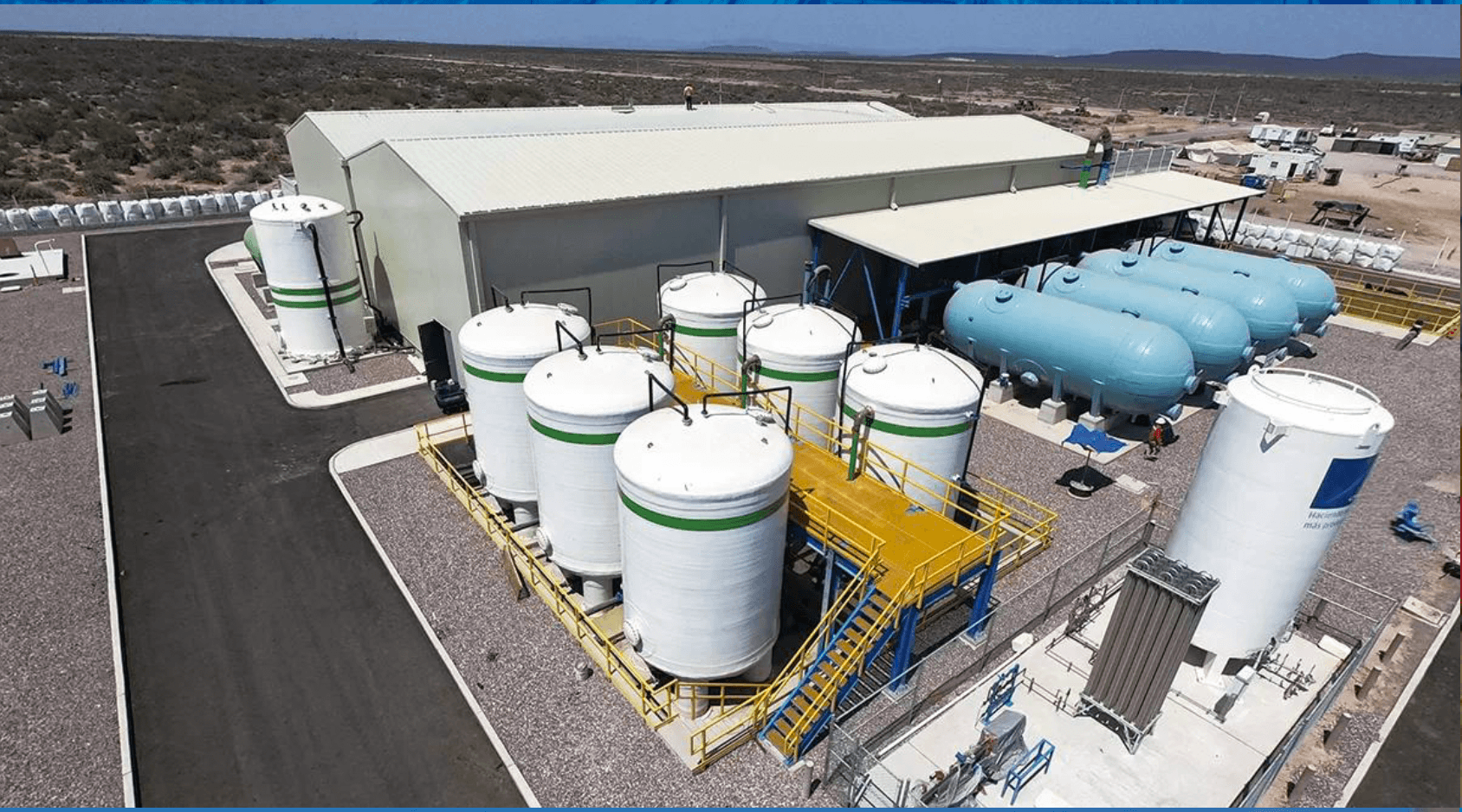
FRP Carbon Footprint: A Life Cycle View for Tank Buyers
Sustainability questionnaires have become routine in capital project bids across mining, chemical processing, and water and wastewater. Procurement teams now ask suppliers for the carbon footprint of a tank, a pipe run, or a scrubber, often expecting a single number per kilogram. That number is easy to request and very easy to misread. A fair comparison between fiber-reinforced plastic (FRP) and metal equipment has to follow the equipment through its whole life, not just through the factory gate.
This guide explains how to structure that comparison, which questions to put to every supplier, and which specification choices have the largest effect on lifetime emissions. It does not claim that FRP always has the lower footprint. It shows where FRP tends to perform well, where it does not, and what data you should demand before accepting any sustainability claim.
Why a per-kilogram comparison misleads
Emission factors are usually published per unit of mass of material. Comparing a kilogram of glass fiber laminate with a kilogram of stainless steel says almost nothing about the equipment you are buying, for two reasons. First, the two materials have very different densities, so the same tank volume does not use the same mass of material. Second, the two materials do not last the same number of years in the same chemical service.
The correct basis is a functional unit: one tank, one pipe run, or one gas-handling duct that meets the same duty (chemical, concentration, temperature, capacity) for the same design period, for example 25 years. Everything that has to be bought, built, maintained, and replaced to deliver that duty belongs inside the comparison. When buyers define the functional unit this way, the discussion moves from material choice to service life, which is where most of the carbon sits.
The four stages to compare
A life cycle comparison for process equipment can be organized into four stages. Ask every bidder, whether FRP or metal, to address each one.
- Materials and manufacturing. Glass fiber production is energy-intensive because the glass is melted, and thermoset resins are derived from petrochemical feedstocks. Metals carry the energy of ore extraction, smelting, and alloying, and exotic metal alloys are typically more energy-intensive than carbon steel. Request cradle-to-gate data for the specific laminate or alloy, not a generic industry average.
- Transport and installation. Lower equipment mass means lower freight emissions and lighter lifting requirements on site. This stage is usually smaller than the other three, but for large vessels shipped long distances it is not negligible.
- Operation and maintenance. Carbon steel in corrosive service needs a lining or coating, periodic inspection, and recoating or relining. Each cycle has its own materials, access equipment, and downtime. FRP built with a resin system matched to the chemical service avoids most of these interventions.
- End of life. Metals have an established scrap market and high recovery rates. Thermoset FRP cannot be remelted. Be honest about this stage with your stakeholders, and ask each supplier how end-of-life is handled.
Service life is the multiplier
Embodied carbon is incurred once, at manufacture. If the equipment is replaced early, that carbon is incurred again. A tank that fails in year 8 of a planned 25-year design period roughly doubles its manufacturing footprint for that duty, before counting demolition, transport, and downtime. For this reason, a lower-emission material that corrodes early can produce a higher lifetime footprint than a heavier-emission material that lasts.
This is why chemical compatibility is a carbon issue as much as an engineering one. Resin selection for liquid service is validated through immersion testing under ASTM C581, and liner materials can be evaluated against specific reagents using ASTM D543. A resin chosen from a compatibility chart without checking the actual chemistry, concentration, and temperature is the most common route to an early replacement. Standard vinyl ester FRP is generally suited to continuous service in the range of 180–200°F (82–93°C); beyond that, the design needs a different approach, such as a fluoropolymer liner, rather than a thicker laminate.
Weight, handling, and secondary effects
Glass-reinforced laminates are considerably lighter than steel for the same envelope. That has practical consequences beyond freight: smaller foundations, lighter lifting equipment, and in some cases the ability to install without heavy cranes. These secondary effects rarely show up in a supplier's headline carbon figure, but they belong in a project-level assessment. If your sustainability team is building a model, ask the engineering contractor to include foundation and installation differences.
Fabrication method also matters. Filament-wound tanks built to ASTM D3299 place continuous glass in a controlled orientation, which allows the laminate to be engineered for the load and typically uses material efficiently. Contact-molded tanks built to ASTM D4097 are suited to larger or more complex geometries and to custom nozzle layouts. Either way, the standard defines the minimum quality, and the design should be documented, so the mass and the laminate schedule can be reported to your sustainability team.
End of life: what is honest to say
Thermoset FRP is not recycled the way steel is. Available routes include mechanical size reduction for use as filler, co-processing in cement kilns where the glass and mineral content are recovered as raw material and the resin supplies energy, and landfill where no other route exists. Availability of these routes depends on region and on the volume of material. For a buyer, the practical conclusion is that FRP’s sustainability case rests mainly on the first three stages, especially on avoiding replacement, and not on recyclability. A supplier that claims otherwise without describing a real route should be asked to substantiate it.
What to specify when ordering
To make carbon a verifiable part of the purchase rather than a marketing line, write it into the inquiry:
- Define the full service: chemical, concentration range, operating and upset temperatures, and design life in years.
- Require resin-system validation for that chemistry, referencing ASTM C581 immersion data and, for liners, ASTM D543.
- State the fabrication standard: ASTM D3299 for filament-wound tanks or ASTM D4097 for contact-molded tanks, and request the laminate schedule.
- Ask for the total equipment mass as designed, so transport and foundation effects can be calculated.
- Request cradle-to-gate data for the specific materials, and ask the supplier to state the assumptions and data source.
- Ask for the recommended inspection and maintenance plan across the design period.
- Ask for an explicit statement of the end-of-life options available in your region.
These seven points apply equally to a metal bidder. If a supplier cannot answer them, that is useful information in itself.
Where FRP tends to do well, and where it does not
FRP tends to give the strongest life cycle outcome where the process fluid is aggressive to metals and the temperature is within the resin’s range: acid and chlorinated solutions, brines, and process water with aggressive chemistry. In those services, carbon steel needs a lining and stainless steels may be attacked by chlorides, so the metal option often means either exotic metal alloys with high embodied energy or a shorter replacement cycle.
It does less well when the duty is outside the resin limits, when mechanical loads are high and concentrated, or where fire or temperature conditions are beyond what the laminate can accept without special design. In very hot, aggressive service, a fluoropolymer liner can extend the usable range, but it also adds material and fabrication steps, so the comparison needs to be rerun with the liner included.
Applicable ASTM standards
- ASTM C581: chemical resistance of thermosetting resins used in glass-fiber-reinforced structures intended for liquid service. Basis for resin selection and for estimating service life.
- ASTM D3299: filament-wound fiberglass-reinforced thermoset-resin corrosion-resistant tanks.
- ASTM D4097: contact-molded glass-fiber-reinforced thermoset resin corrosion-resistant tanks.
- ASTM D543: resistance of plastics to chemical reagents, used for evaluating liner and laminate materials against specific chemicals.
Our Experience
We have manufactured FRP exclusively for more than 40 years and have delivered over 2,600 projects in mining, chemical processing, and water and wastewater. We also have more than 20 years of experience applying fluoropolymer liners where temperature or chemistry exceeds the range of standard vinyl ester. What those projects have shown us is consistent: equipment that is matched to its real service conditions at the quoting stage is the equipment that reaches its design life, and that is the largest single factor in lifetime carbon.
Final Thoughts
The carbon footprint of FRP equipment cannot be reduced to one number. It depends on the duty, the design life, the fabrication standard, and how well the resin system fits the chemistry. Use a functional unit, compare all four life cycle stages, and treat service life as the main variable. If you are preparing a bid package with a sustainability requirement, send Arizona FRP Supply your service conditions and datasheets and we will help you specify equipment that you can document against ASTM C581, D3299, D4097, and D543.
References
ASTM International. (2022). Standard practice for determining chemical resistance of thermosetting resins used in glass-fiber-reinforced structures intended for liquid service (ASTM C581-22). ASTM International.
ASTM International. (2023). Standard specification for filament-wound fiberglass-reinforced thermoset-resin corrosion-resistant tanks (ASTM D3299-16(2023)). ASTM International.
ASTM International. (2022). Standard specification for contact-molded glass-fiber-reinforced thermoset resin corrosion-resistant tanks (ASTM D4097-17(2022)). ASTM International.
ASTM International. (2021). Standard practices for evaluating the resistance of plastics to chemical reagents (ASTM D543-21). ASTM International.
Explore Related FRP Products
-
FRP Tanks
Custom FRP tanks for chemical storage, wastewater treatment and industrial fluid handling. -
FRP Pipes
Corrosion-resistant FRP pipes for industrial piping systems.
Related Articles
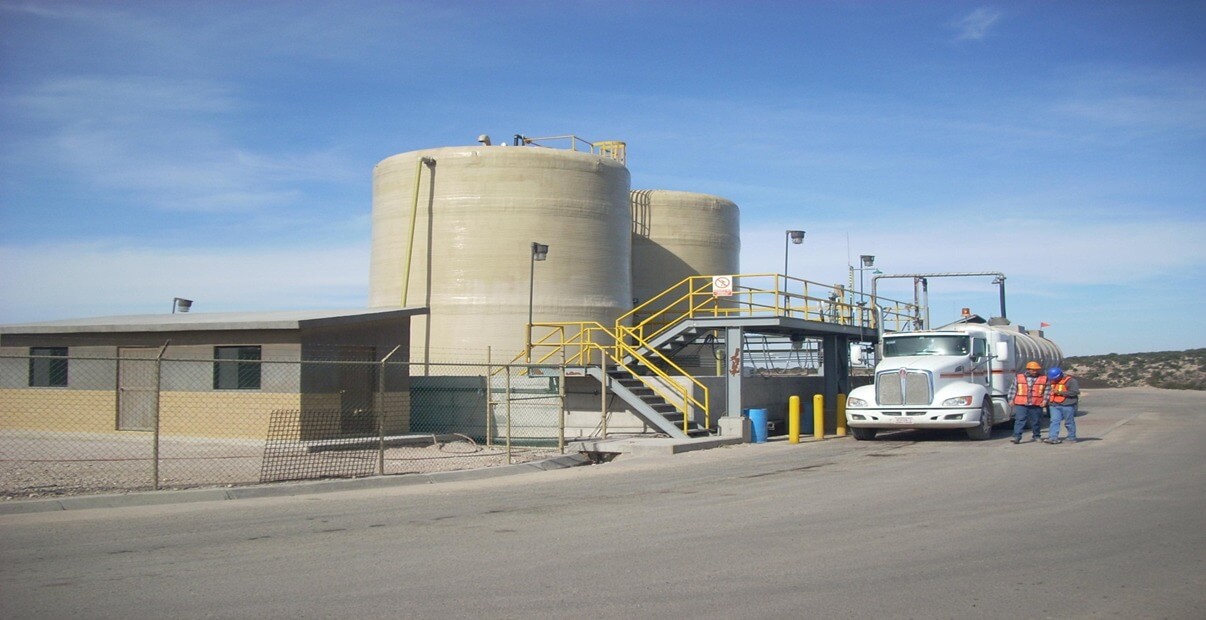
Purchase price is one line in a 25-year budget. Learn how to compare FRP and metals on lifecycle cost, which cost categories to model, and what to specify.
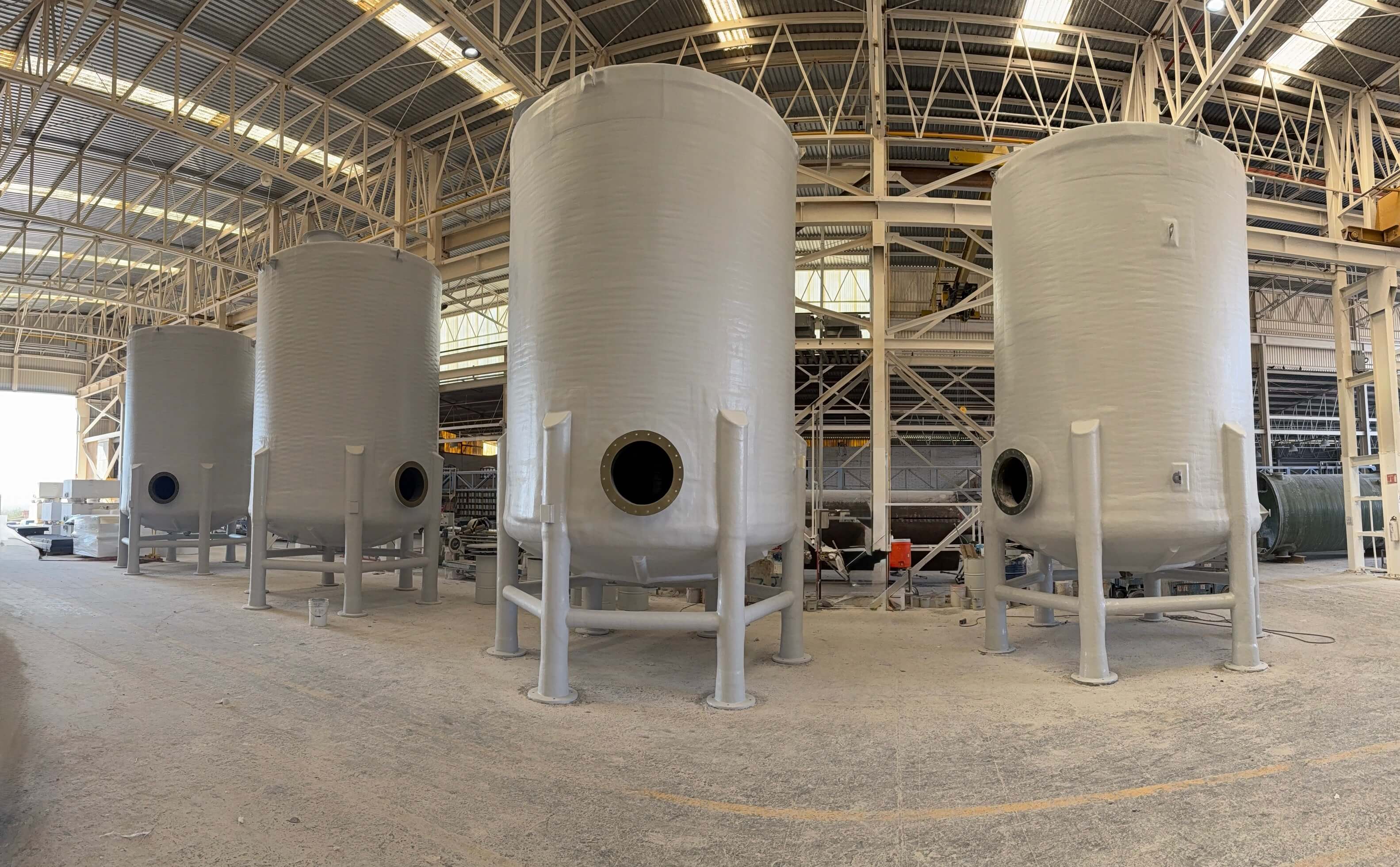
A buyer's guide to specifying FRP tanks for sodium hypochlorite — resin and cure system, synthetic-veil corrosion barrier, UV protection, venting, and the ASTM standards to reference.
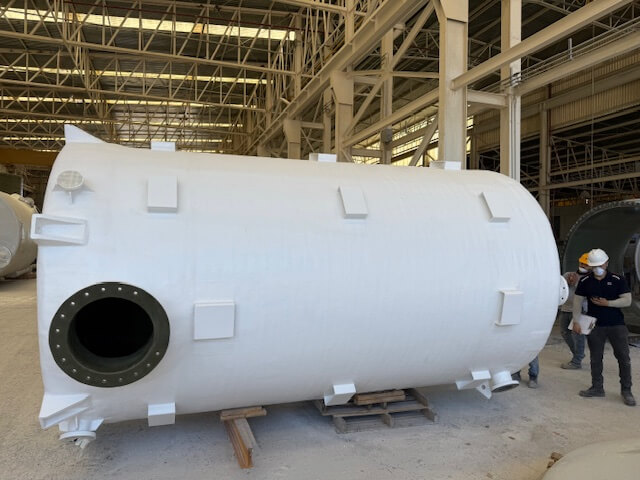
A buyer's guide to inspecting FRP tanks in corrosive service — external and internal checks, Barcol hardness baselines, inspection intervals, and the ASTM standards that define acceptance criteria.
Article Summary
Carbon footprint is not one number per kilogram. Learn how to compare FRP and metal equipment across four life cycle stages and what to put in your specification.
Need help with an FRP application?
Share your service conditions, chemical exposure, dimensions, or performance requirements and our team can help you evaluate the right FRP solution.
Request a Quote